
Summer
Hang
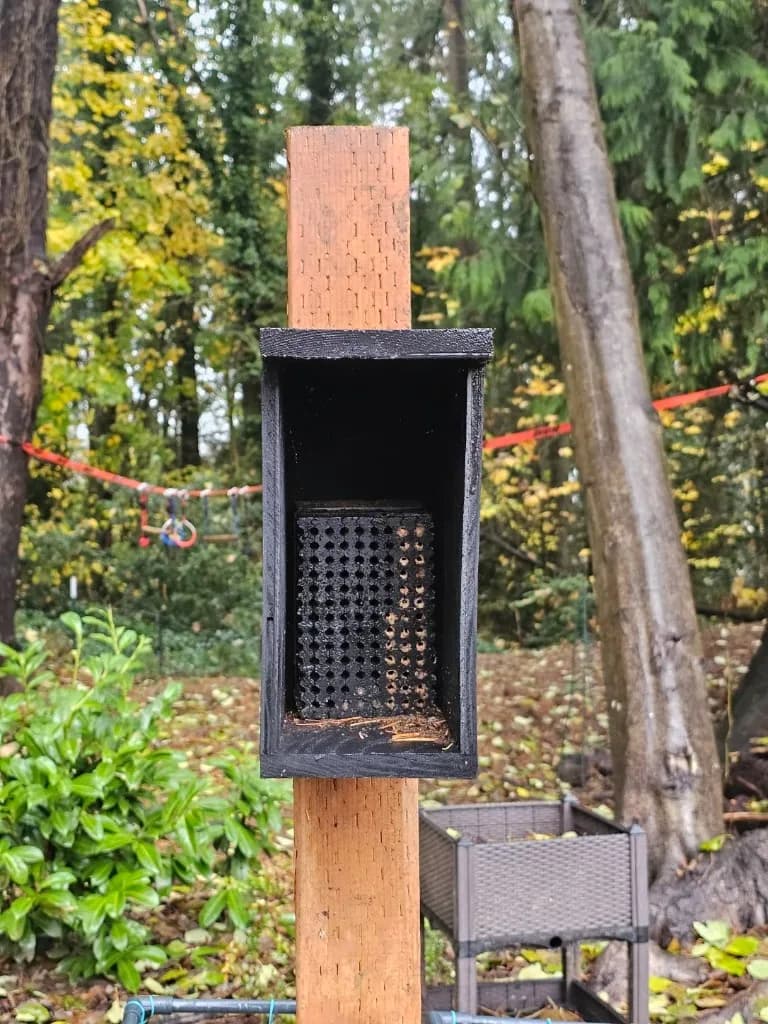
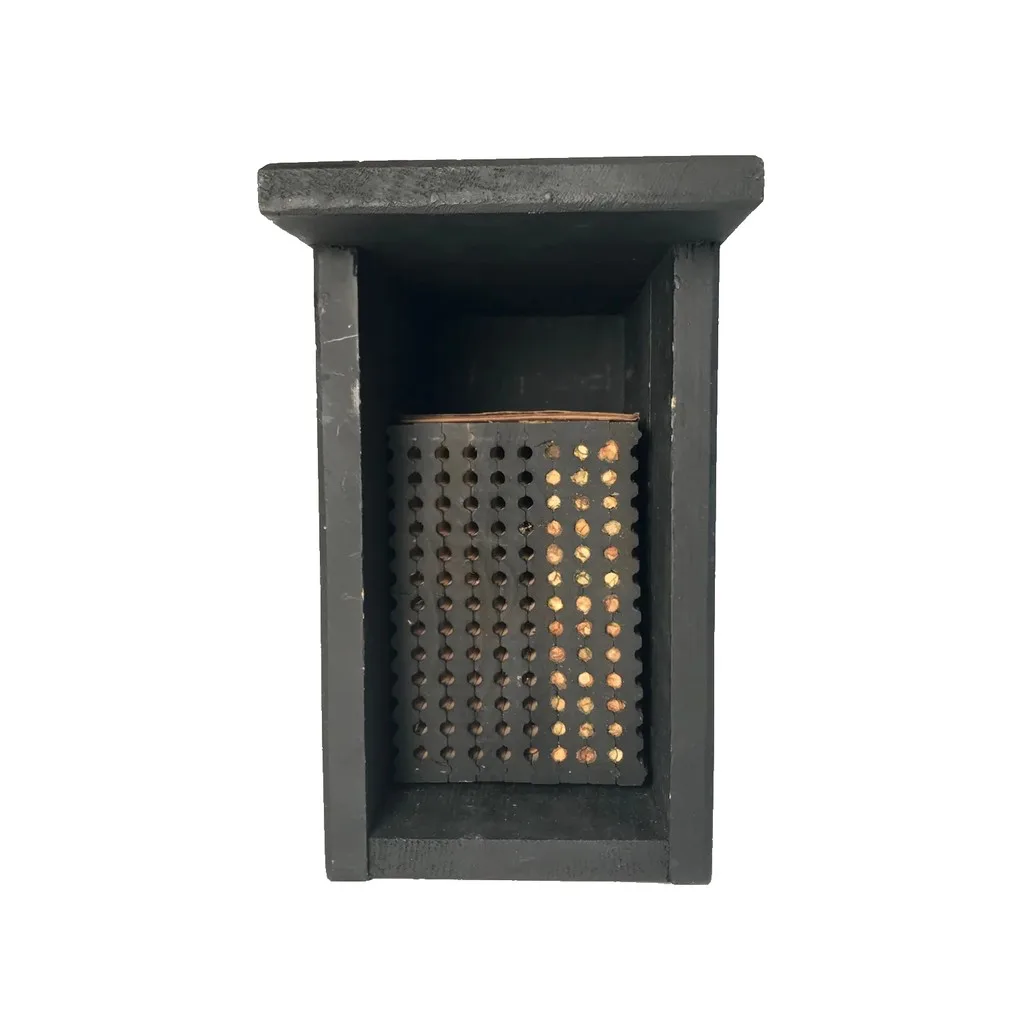
Hang the black house on a flat wall, fence or post, not a tree, about 5–6 feet off the ground. Choose a sunny location with morning through afternoon sun. The house hangs from a single hook at a slight angle so rain can run off.

Search the site
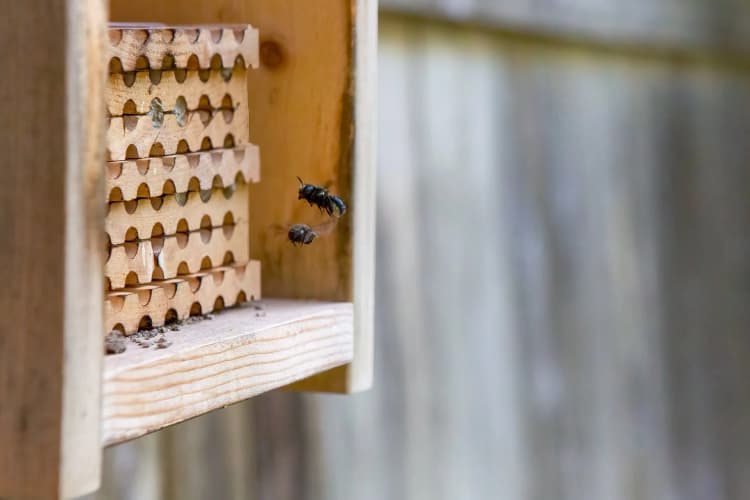

You don't need to be a beekeeper to host solitary bees. There's no hive, no honey and no queen to manage. Simply provide a bee house, clean nesting material and nearby flowers, and your bees do the rest.
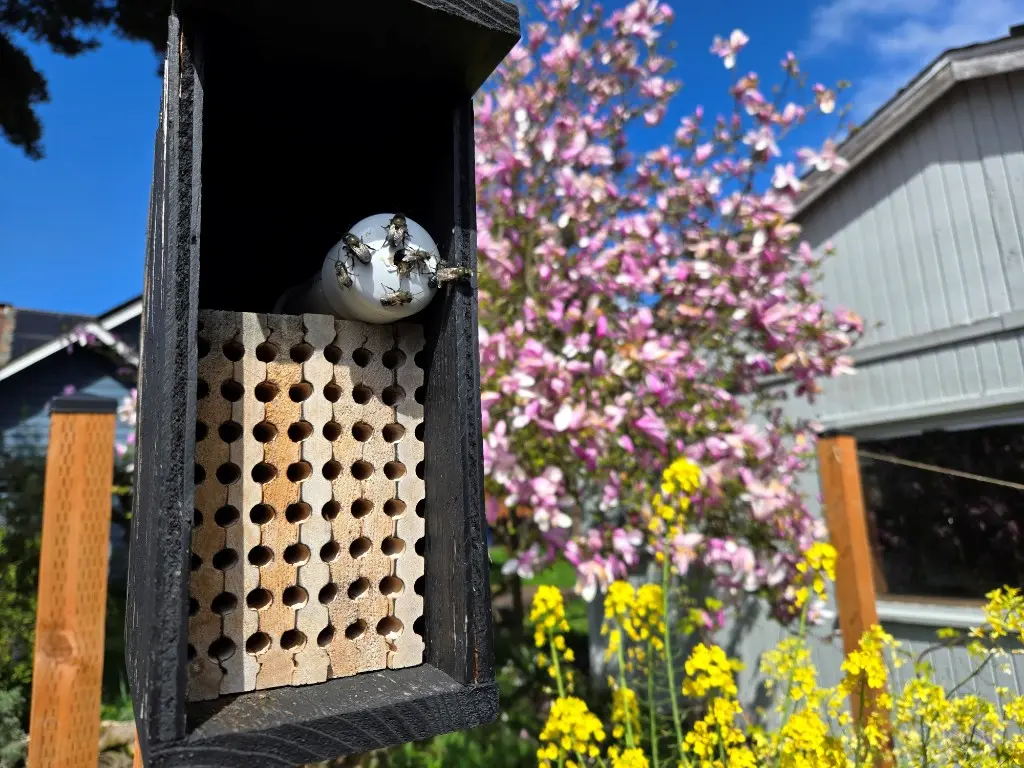
We send you bees before they emerge. Mason bees arrive hibernating safely inside their cocoons, while leafcutter bees arrive in the larval stage, snug inside their protective leaf cells.
Place them in your bee house at the right time, and when temperatures are warm enough, they emerge naturally and get to work.
No handling flying bees. Just set them out and let nature do the rest.
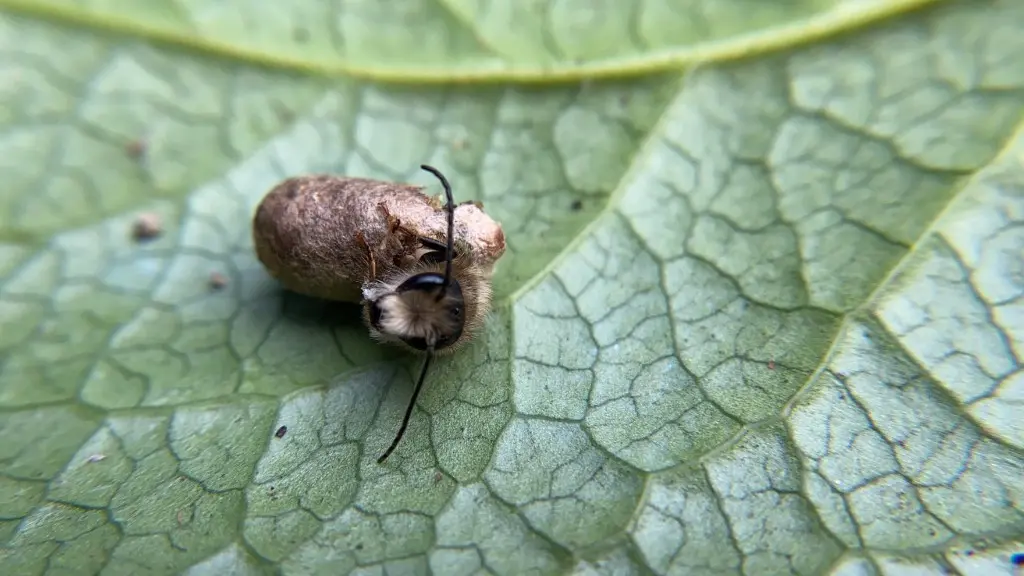
Because they're incredible pollinators. Mason bees work in spring, pollinating fruit trees, berries and early blooms, while leafcutter bees take over in summer to pollinate vegetable gardens, flowers and summer blooms.
Host one or both for powerful pollination throughout the growing season.
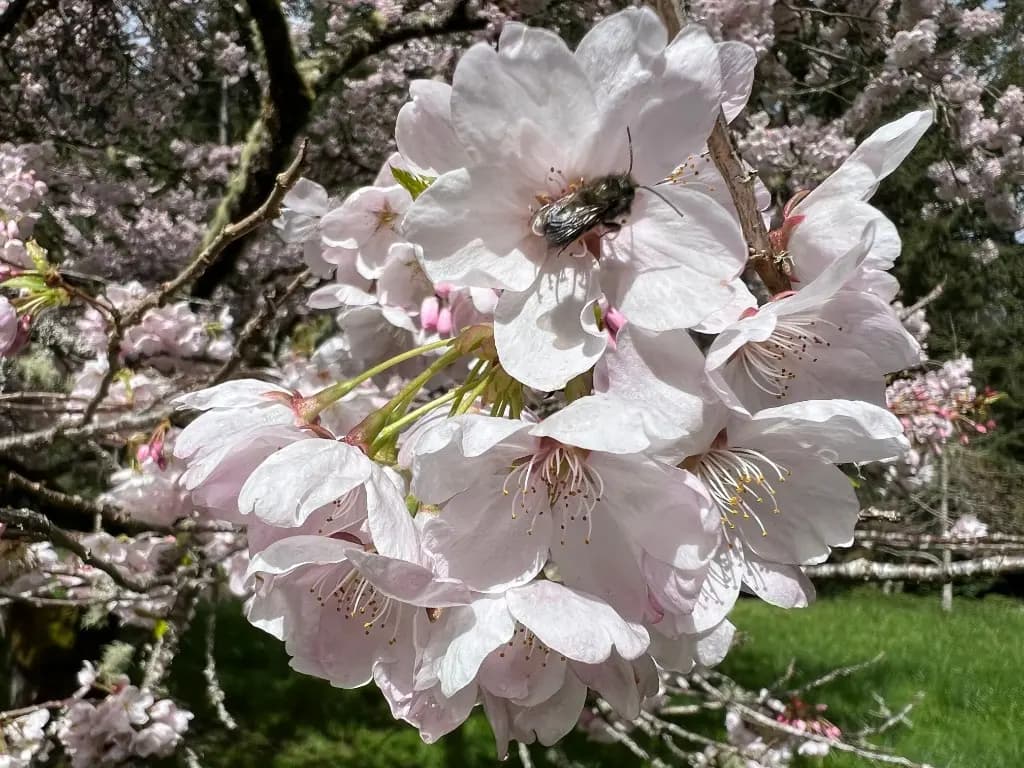
Mason and leafcutter bees belly-flop onto flowers and gather loose pollen on their body hairs. This enables them to easily spread the loose pollen from flower to flower as they forage.
They can pollinate up to 95% of the flowers they visit, compared with about 5% for honeybees.
More pollination means more fruit, more vegetables and a more productive garden.
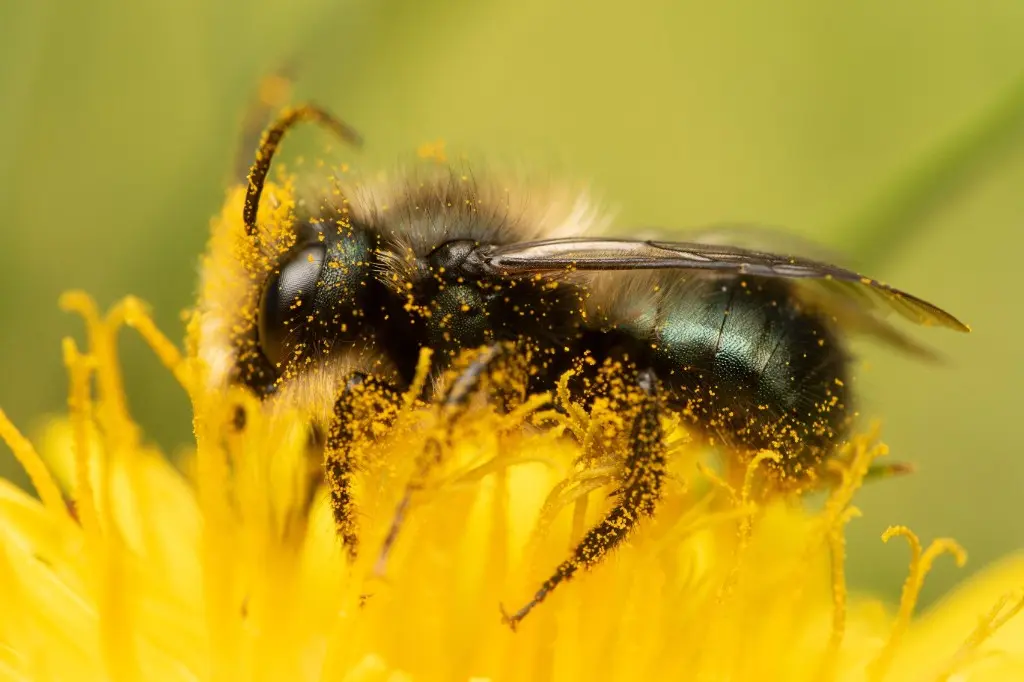
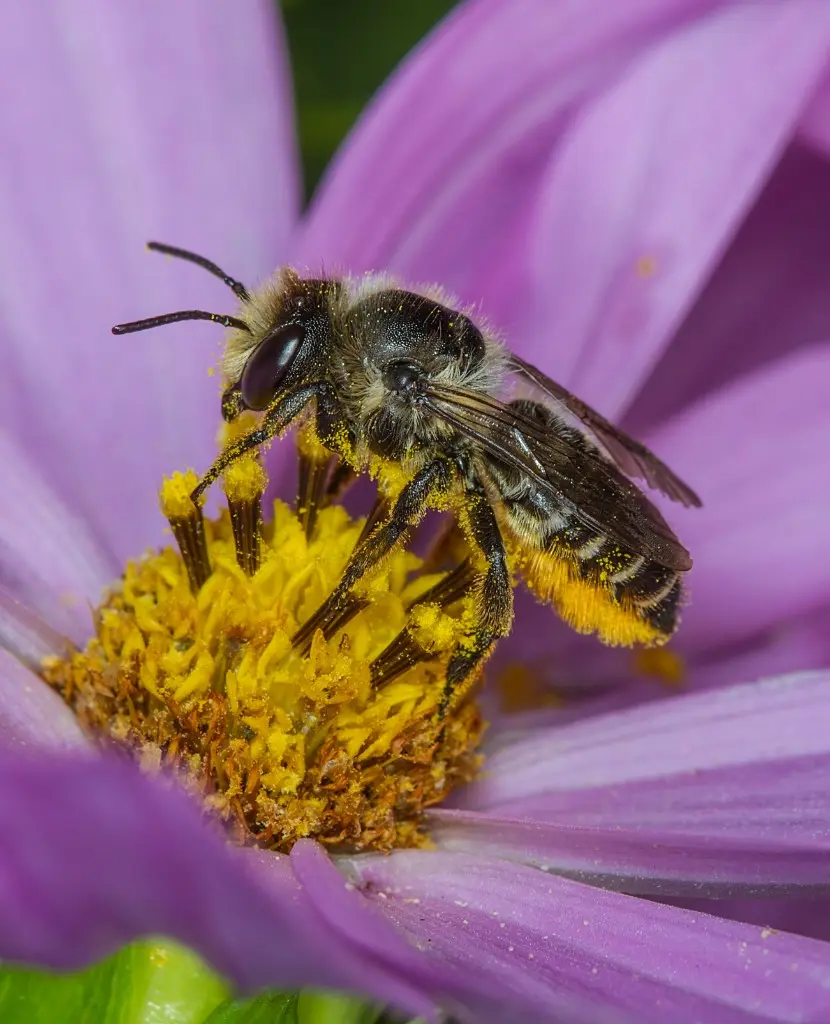
Mason and leafcutter bees are gentle, solitary bees with no hive or queen to defend. You can stand right next to their bee house and watch them work without them bothering you. Each female simply goes about her day collecting pollen and building her own nest. Perfect for backyards, gardens and families who want to experience bees up close.
Whether you want us to handle the end-of-season care or you want to do it yourself, we make it easy to host solitary bees.
Release your bees, enjoy the pollination and return your nesting block to us at the end of the season. We harvest and clean the cocoons, remove predators, clean the nesting block and care for the bees through winter.
Release → pollinate → return
Want to care for your own bees? Choose nesting materials you can open, then harvest, inspect and clean your cocoons yourself in the fall. We'll provide the education and resources to help you through the process.
Release → pollinate → clean → keep
Summer
Hang the black house on a flat wall, fence or post, not a tree, about 5–6 feet off the ground. Choose a sunny location with morning through afternoon sun. The house hangs from a single hook at a slight angle so rain can run off.
Summer
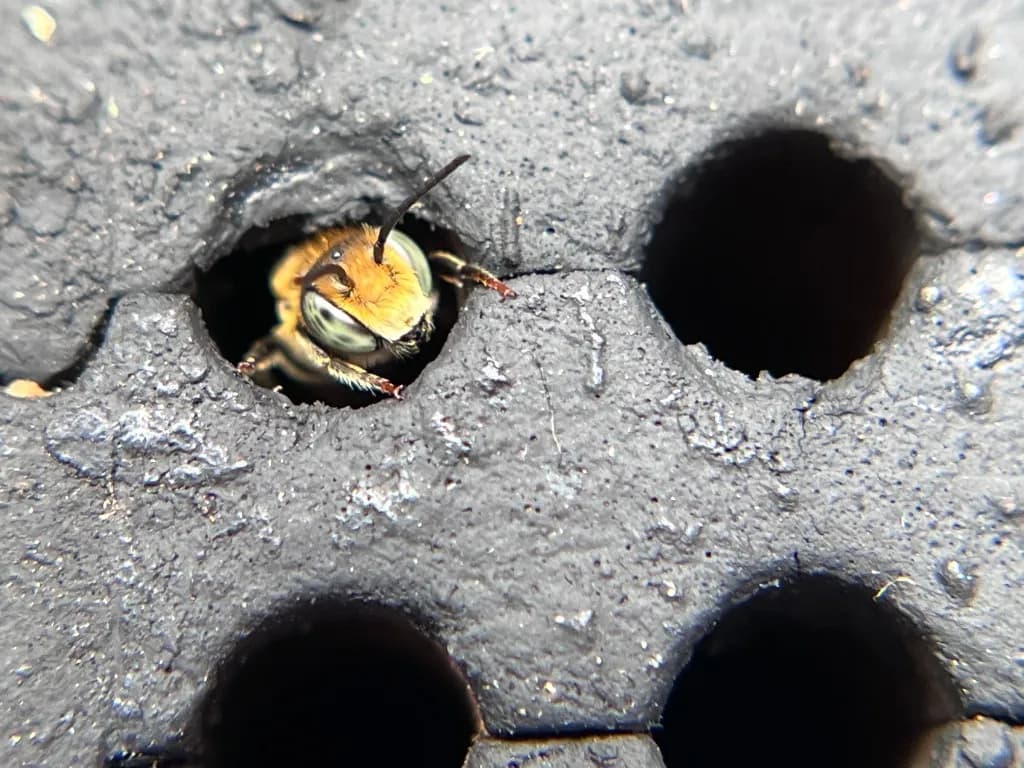
Leafcutter bees arrive in the larvae stage. Once temperatures are consistently 70°F+, they begin developing into adult bees and typically emerge in 4–8 weeks, faster in warmer climates and slower in cooler regions.
Summer
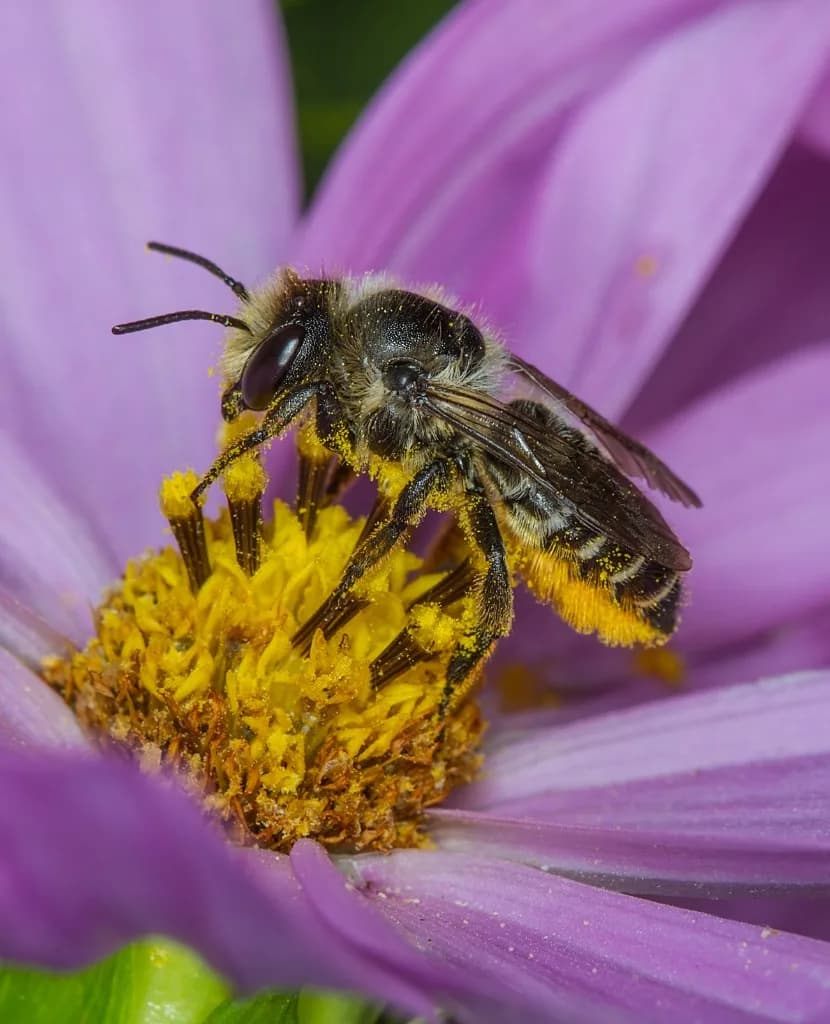
Leafcutter bees are highly efficient summer pollinators, visiting thousands of flowers and helping boost garden production. They're especially great for vegetables, berries, fruit, summer flowers and greenhouses.
September
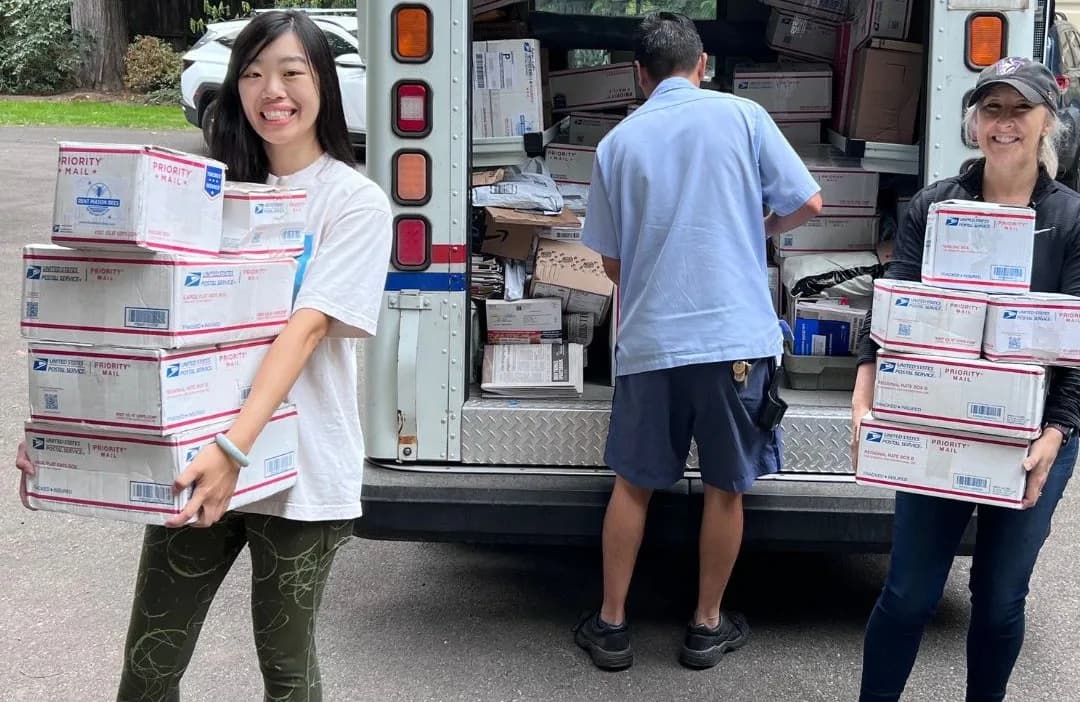
When bee activity has ended, keep the black house for next season and return the nesting block to us. Pack the block securely so it doesn't move during shipping, place your name inside the box and attach the provided return label.
Kits Include Everything You Need to Host Bees
Summer
For summer pollination.
$80
Add to cart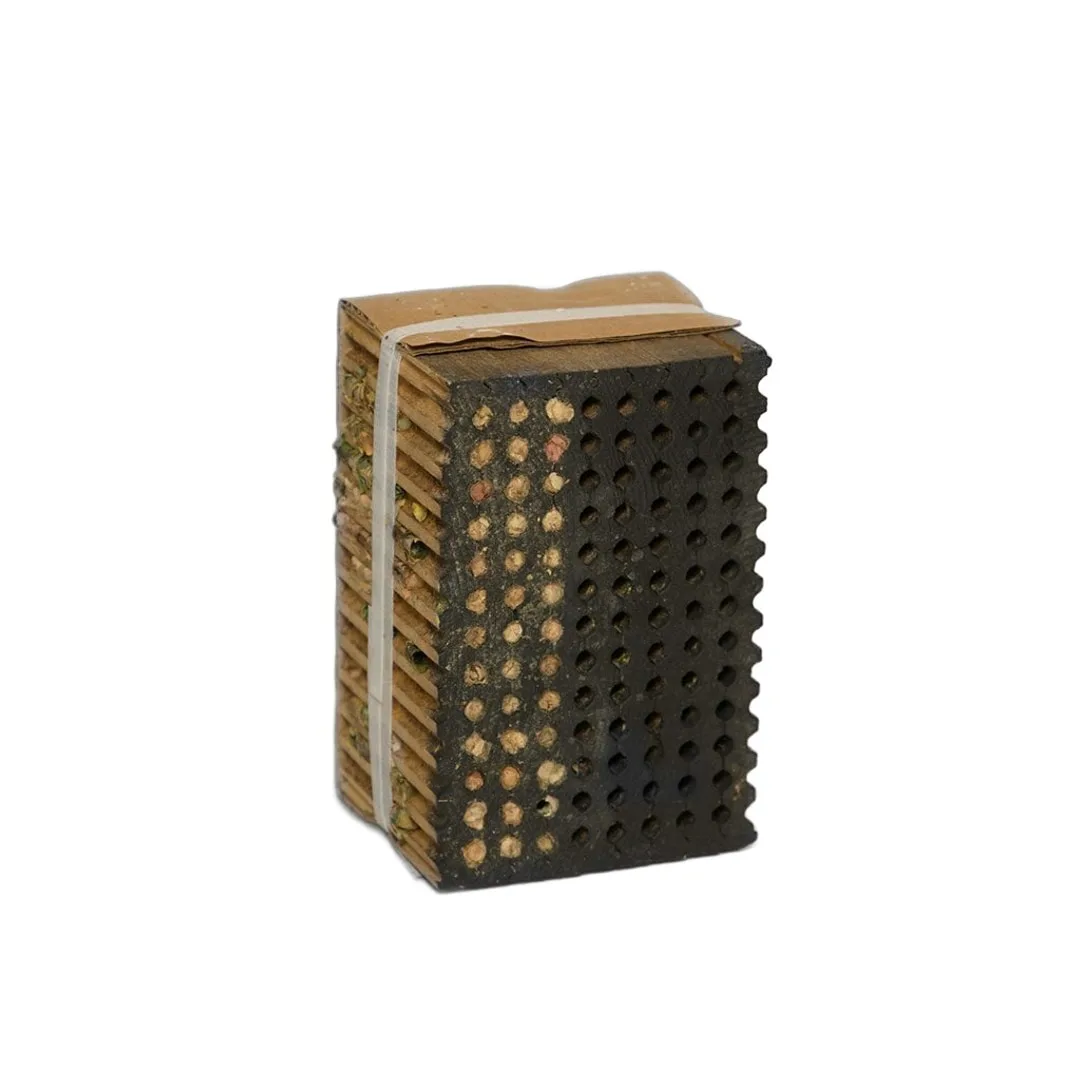
Summer
You already hosted leafcutters. No new house.
$75
Add to cart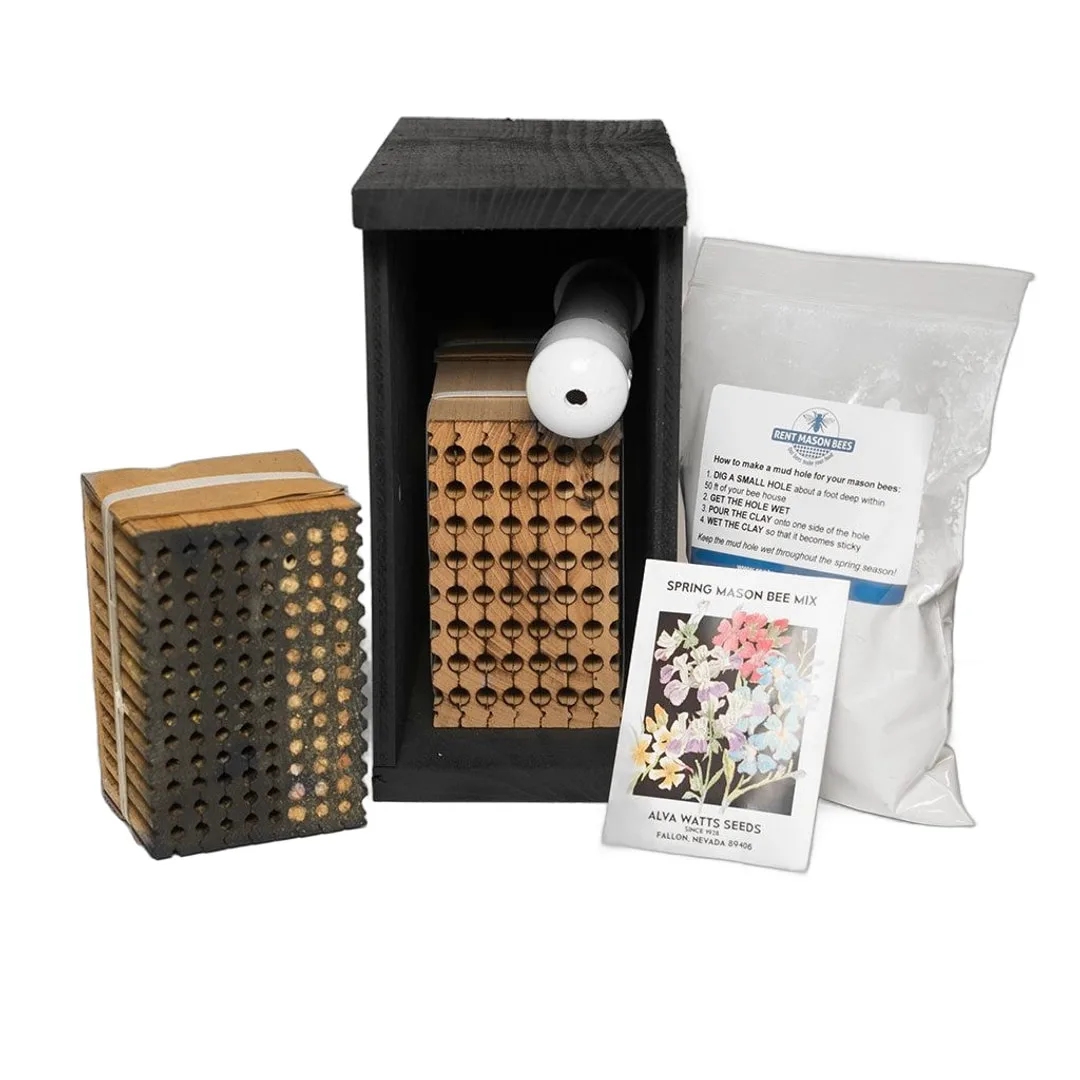
Spring + Summer
For spring + summer pollination.
$110
Add to cart