

Garden Clubs & Community Educators
Help Your Community Discover Solitary Bees
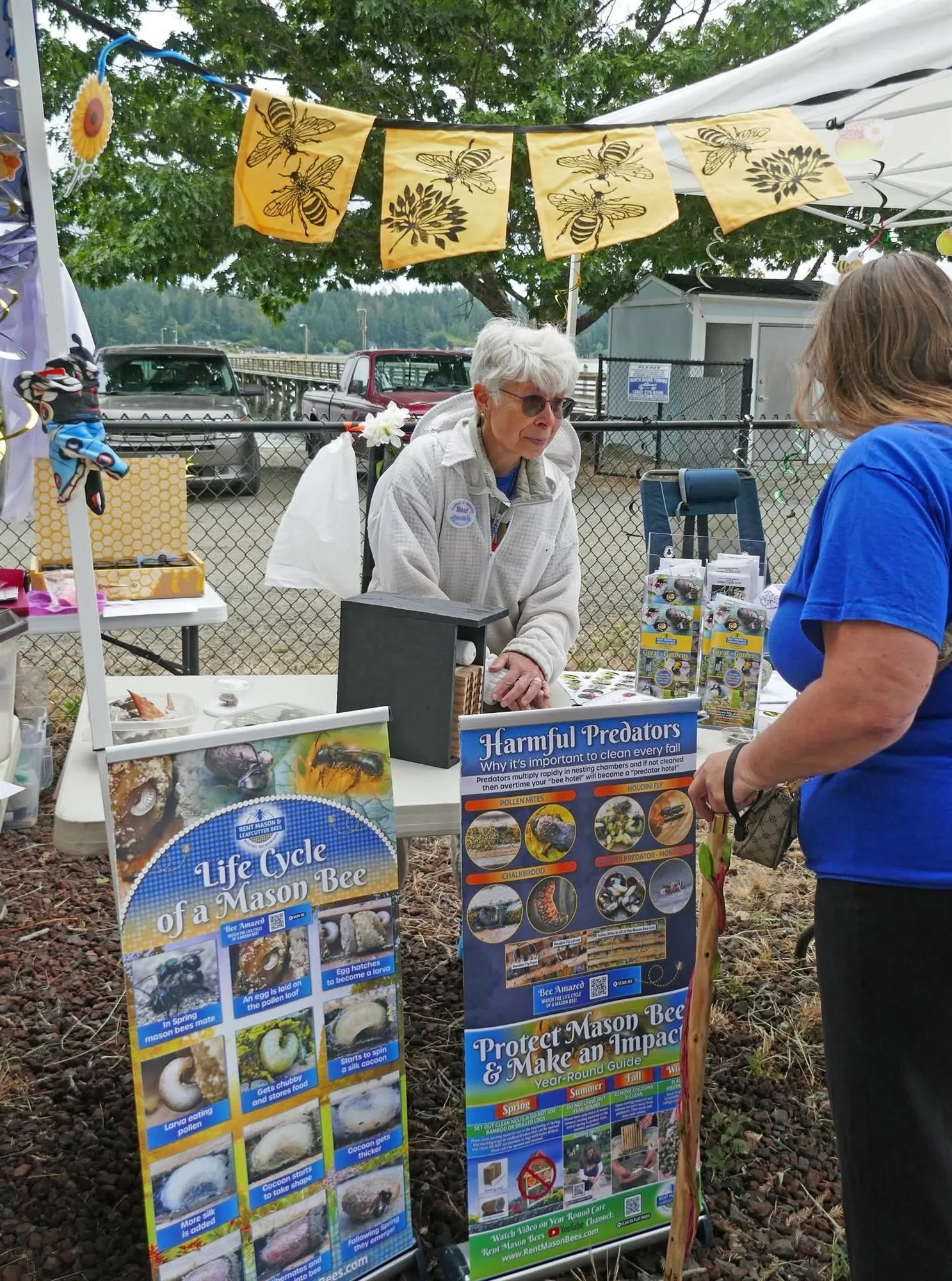
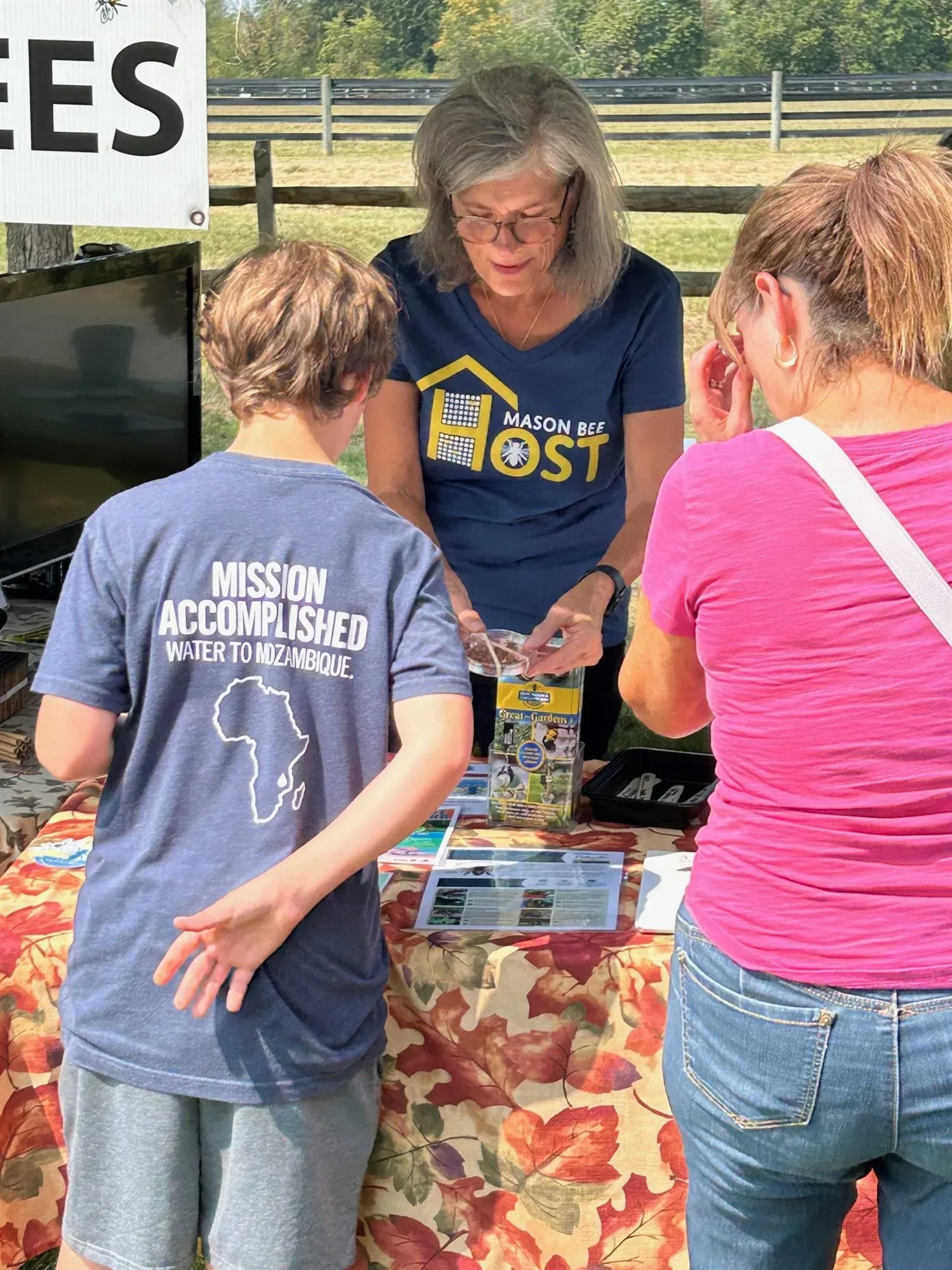
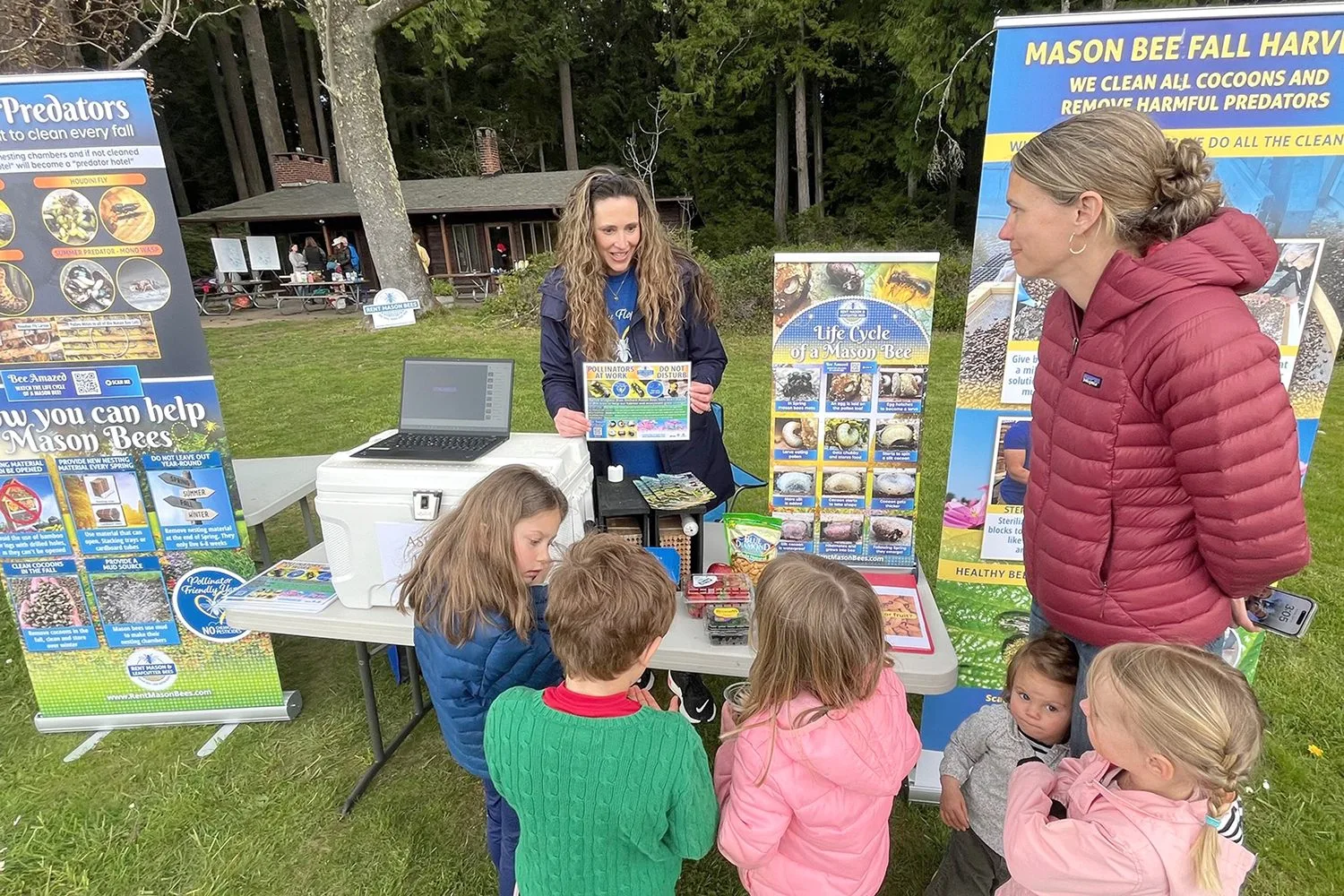
Garden clubs, Master Gardeners and community educators play an important role in helping people understand and support pollinators.
Our Garden Club & Community Educator Program gives you practical, easy-to-use resources for teaching others about mason and leafcutter bees, from how they pollinate to how to properly host and care for them.
Whether you're leading a garden club presentation, community workshop, school program or pollinator event, we're here to help you teach with confidence.
Educational Resources for Your Program
We've created tools that make solitary bee education visual, hands-on and easy to understand:
- Educational Kits & Bees – Solitary bee kits and nesting materials for hands-on demonstrations.
- Videos & Visual Guides – Show life cycles, nesting behavior, pollination, predators and proper bee care.
- Workshop & Lesson Resources – Ready-to-use materials for presentations, classes and youth programs.
- Demonstration Tools – Nesting blocks, cocoons, displays and teaching aids that bring solitary bee education to life.
- Community Education Resources – Materials to help you share accurate information with gardeners, schools and your community.
Inspire the Next Generation of Bee Hosts
Help people discover how easy it is to support solitary bees right in their own yards. Teach proper bee care, create better pollinator habitat and inspire your community to become bee hosts and pollinator stewards.
Together, we can create more bee-friendly gardens, one community at a time.
Teaching Tools
Spring
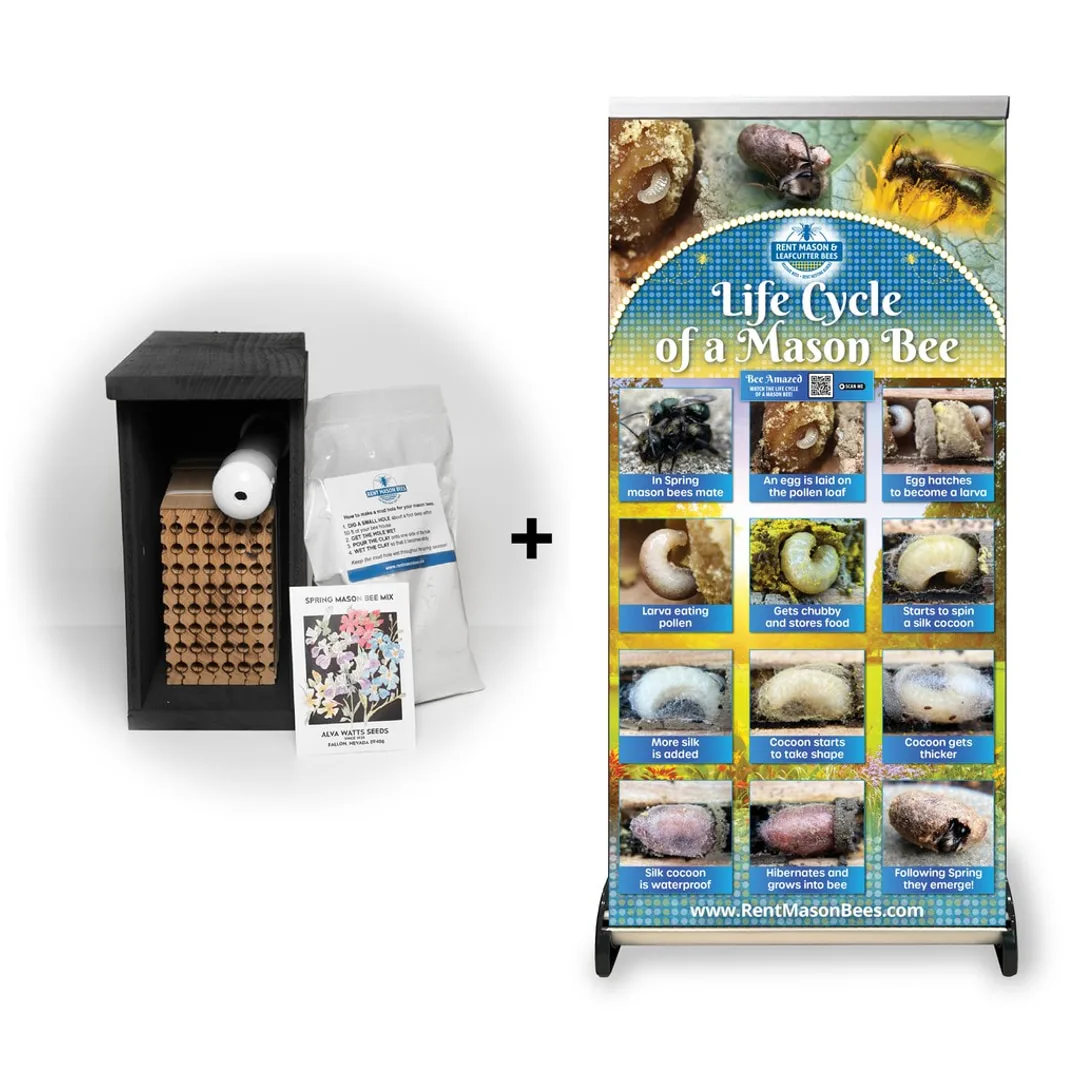
Mason Bee Education Kit
Great for Teaching
$150
Spring
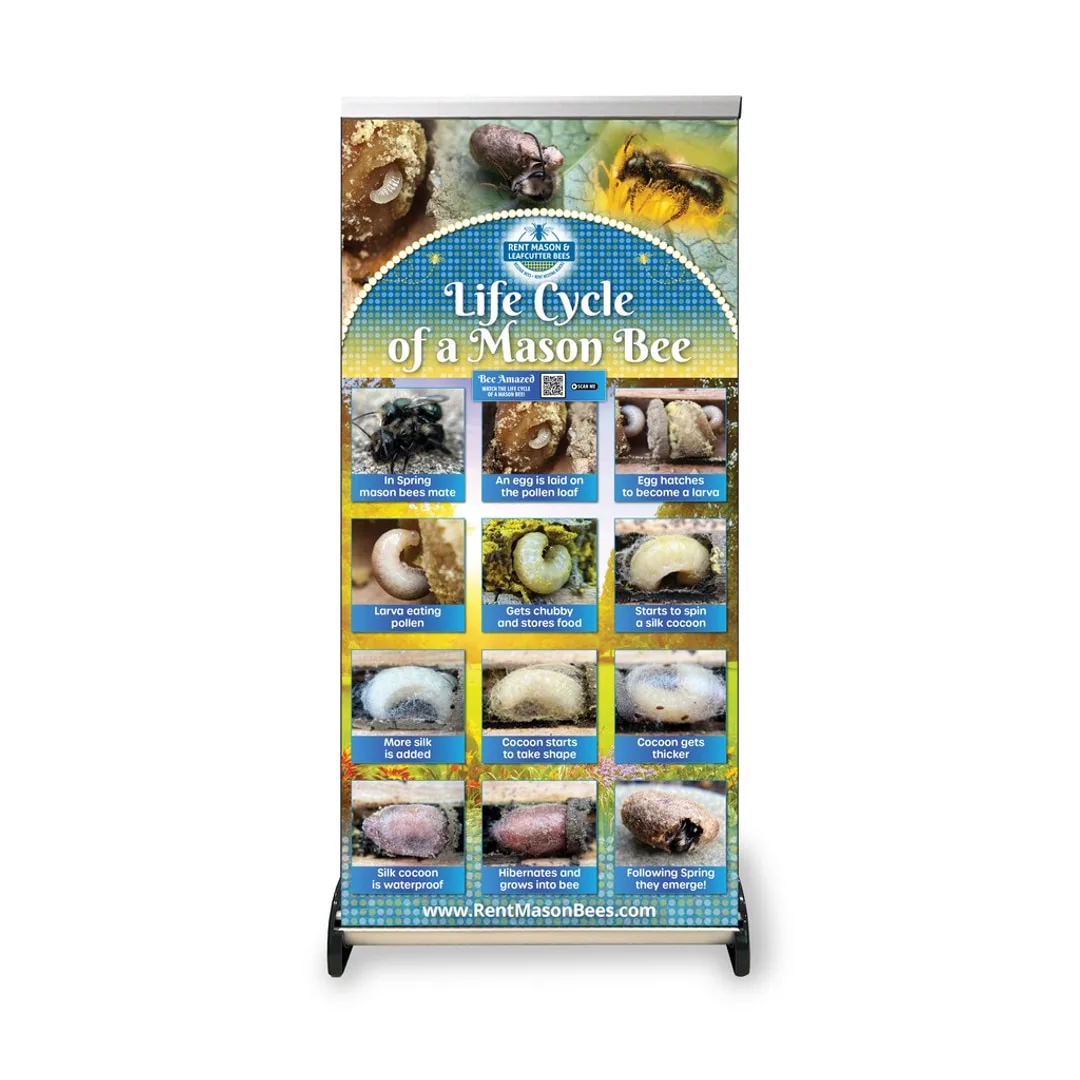
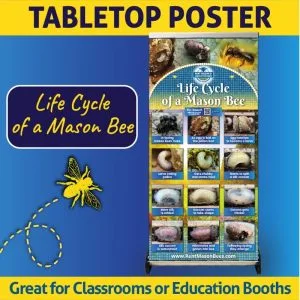
Mason Bee Life Cycle Tabletop Banner (17")
Great for Teaching
$95
Spring
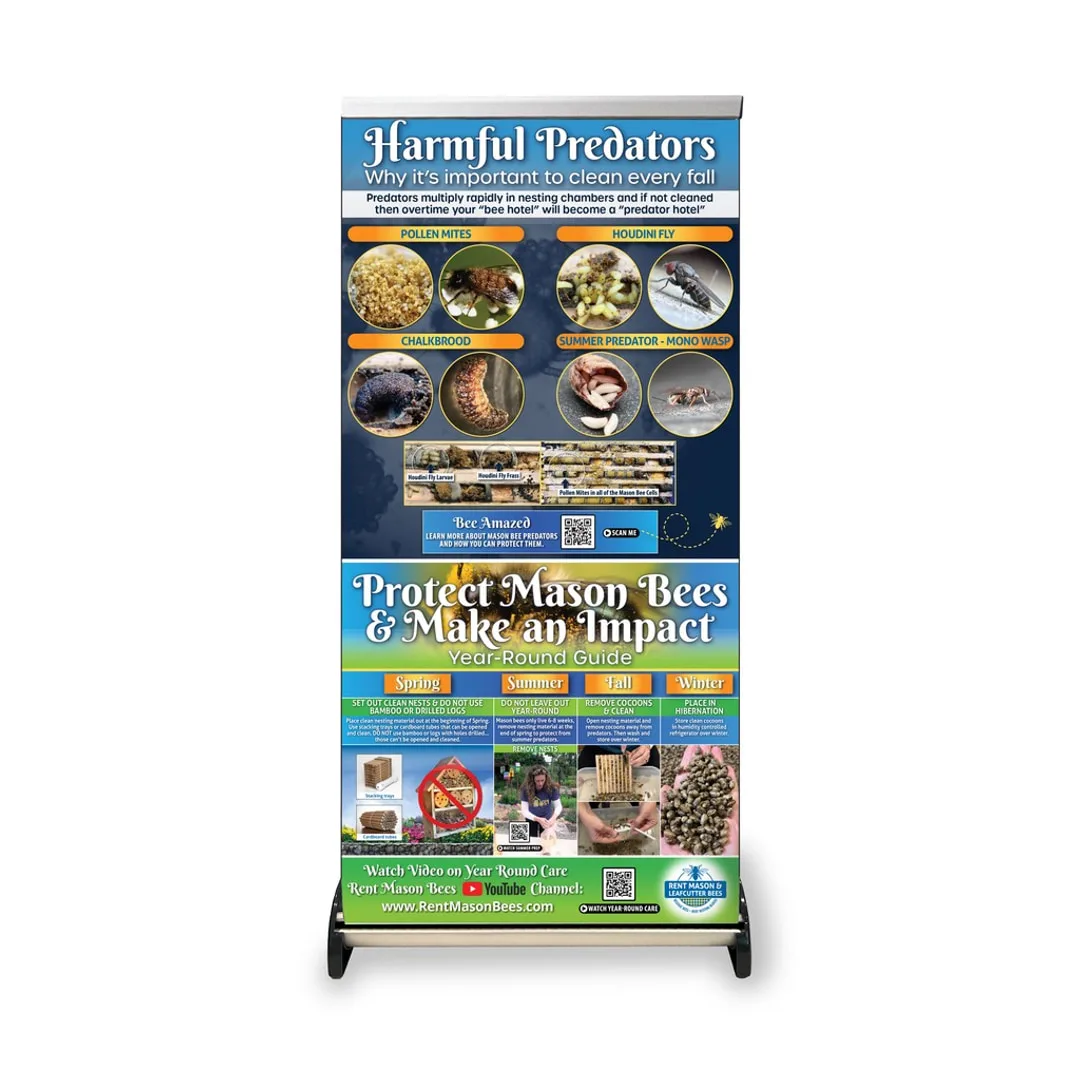
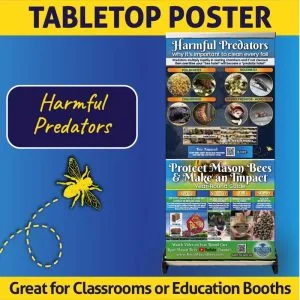
Mason Bee Predators & Year-Round Care Tabletop Banner (17")
Great for Teaching
$95
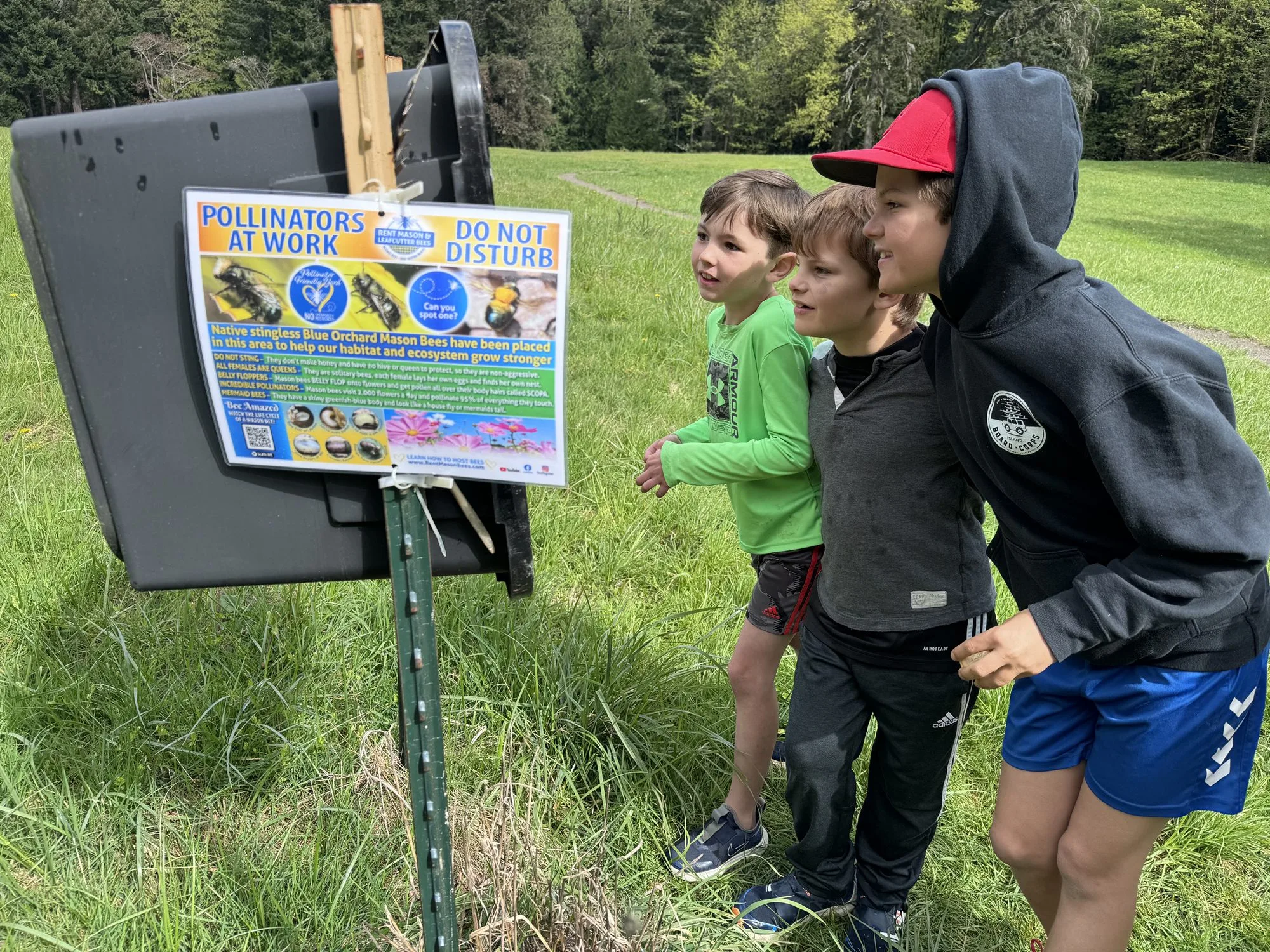
Mason bees give kids an incredible opportunity to see pollination, life cycles and nature happening right in front of them.
These gentle, solitary bees are easy to observe up close and provide a hands-on way to teach students about pollination, plant reproduction, insect life cycles, habitats and the food we eat.
Whether you're a classroom teacher, homeschool educator, garden club leader or parent, our educational resources make it easy to turn kids into Backyard Scientists.
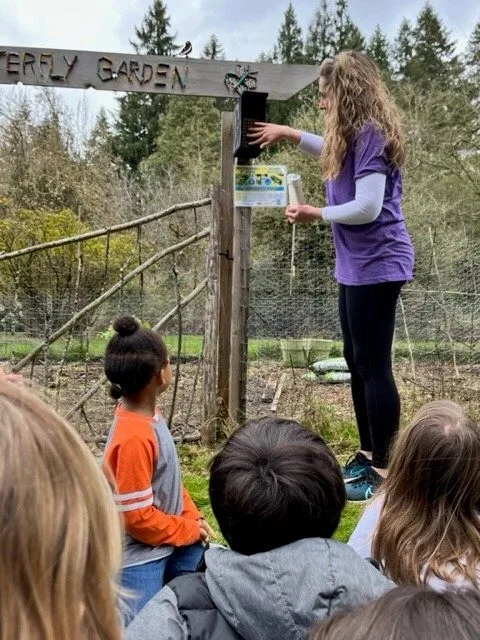
Why Mason Bees Are Great for Kids
Mason bees are gentle, non-aggressive and safe to be around. They don't have a hive, honey or queen to defend.
Students can stand right next to a bee house and watch females fly in and out carrying pollen and mud as they build their nests.
It's a living science lesson happening right outside the classroom.
Classroom & Teaching Resources
We've created and gathered resources to make teaching about mason bees easy, visual and hands-on.
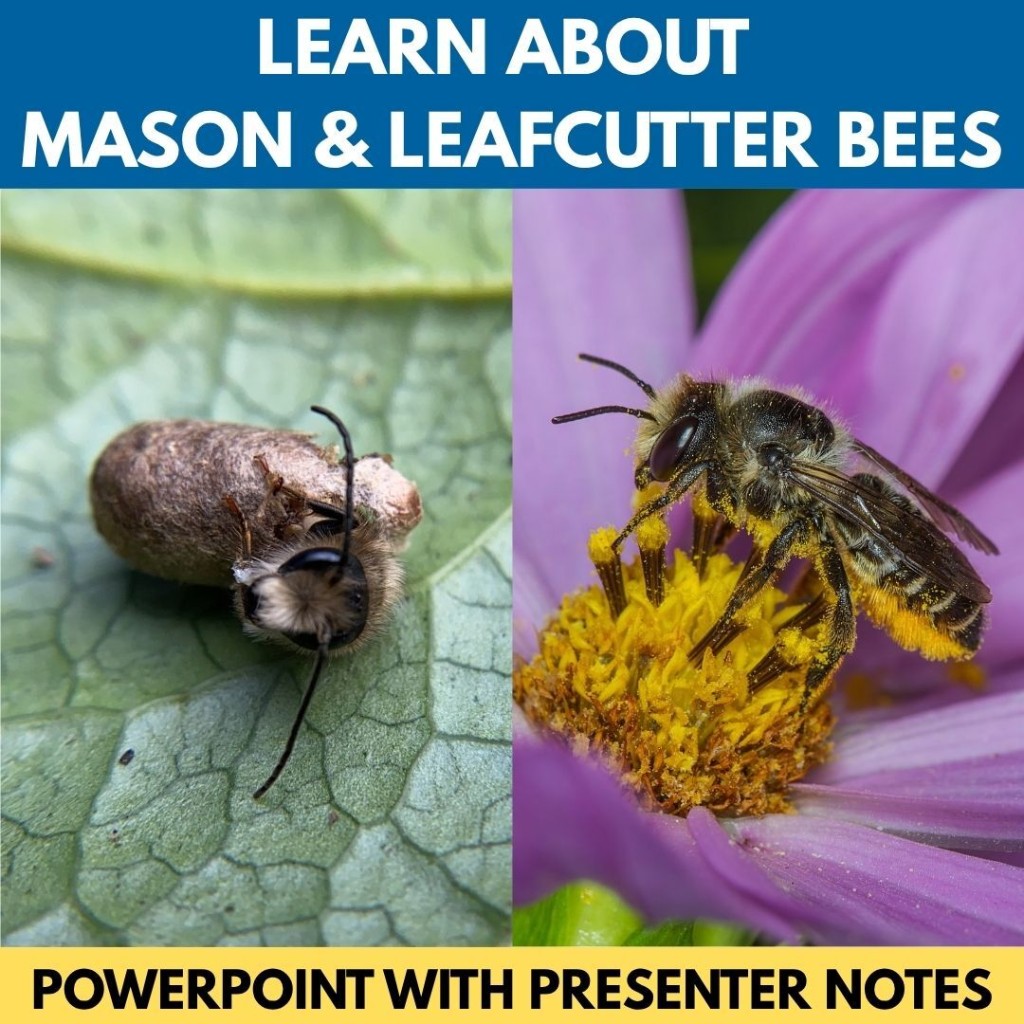
PowerPoint presentation
Use our ready-to-teach presentation on mason and leafcutter bees, with photos, videos, and presenter notes to help guide your lesson.
Videos & visual learning
Show students mason bees emerging, gathering pollen, building nests and developing from egg to adult.
Lessons & activities
Turn your bee house into a science, math and observation station with hands-on activities students can do throughout spring.
Oregon State University resources
Oregon State University offers additional pollinator lesson plans, books, videos and classroom resources for educators.
Turn Your Students into Backyard Scientists
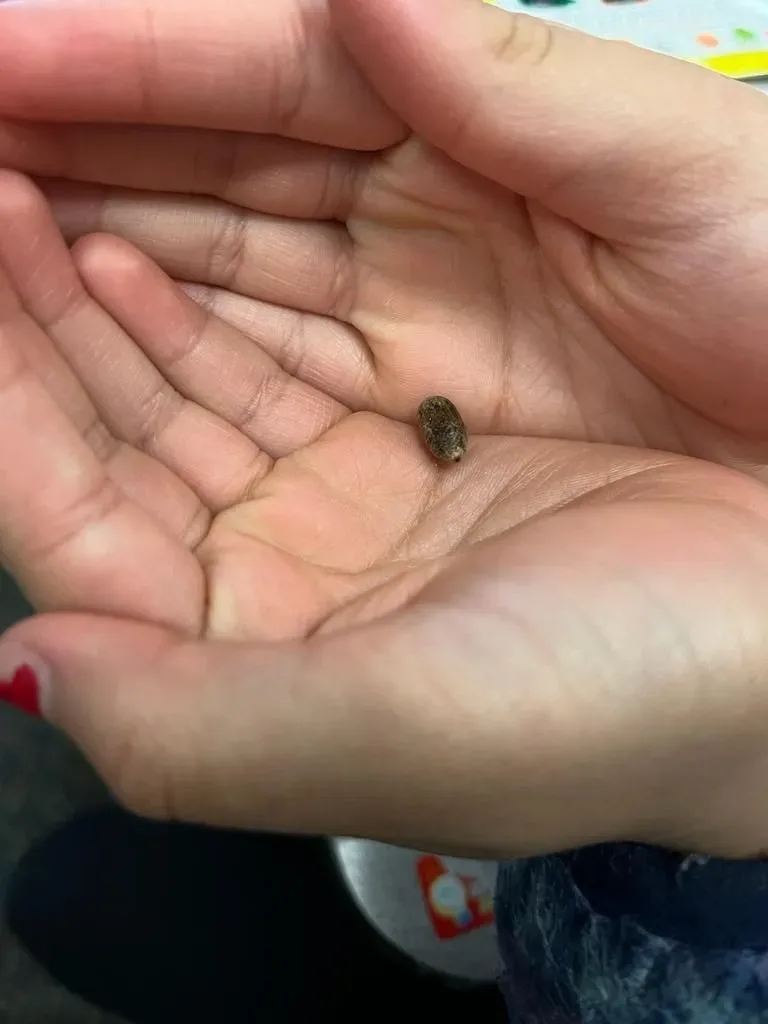
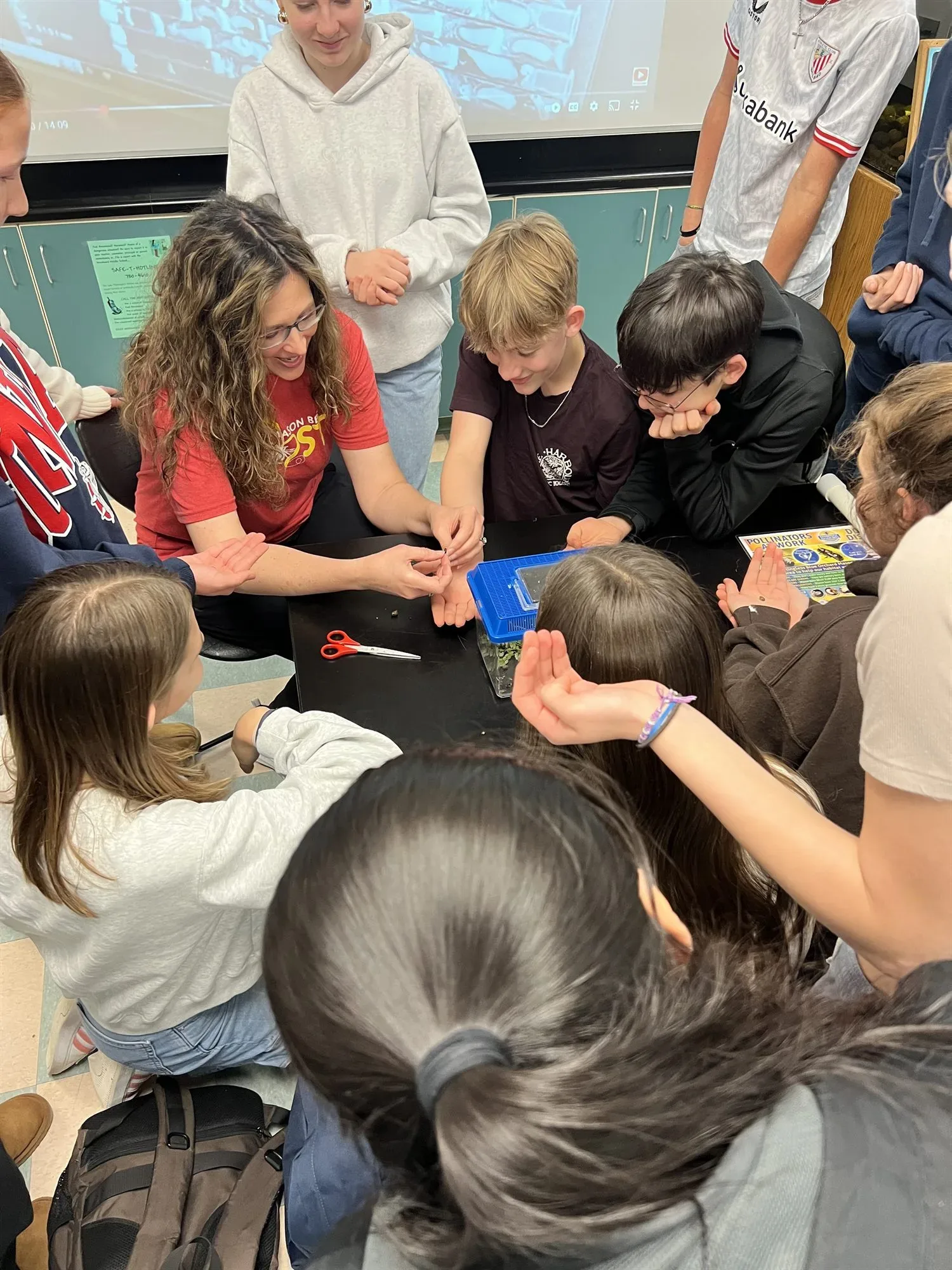
Hold a “Baby Bee”
One of our favorite activities is letting students gently hold a mason bee cocoon.
Mason bees spend the winter safely protected inside silk cocoons. Before emergence, students can hold and examine a cocoon knowing there is a fully developed mason bee tucked safely inside.
Then watch a mason bee emerge on video and bring the life cycle to life.
Hold a cocoon → watch it emerge → see the life cycle come alive.
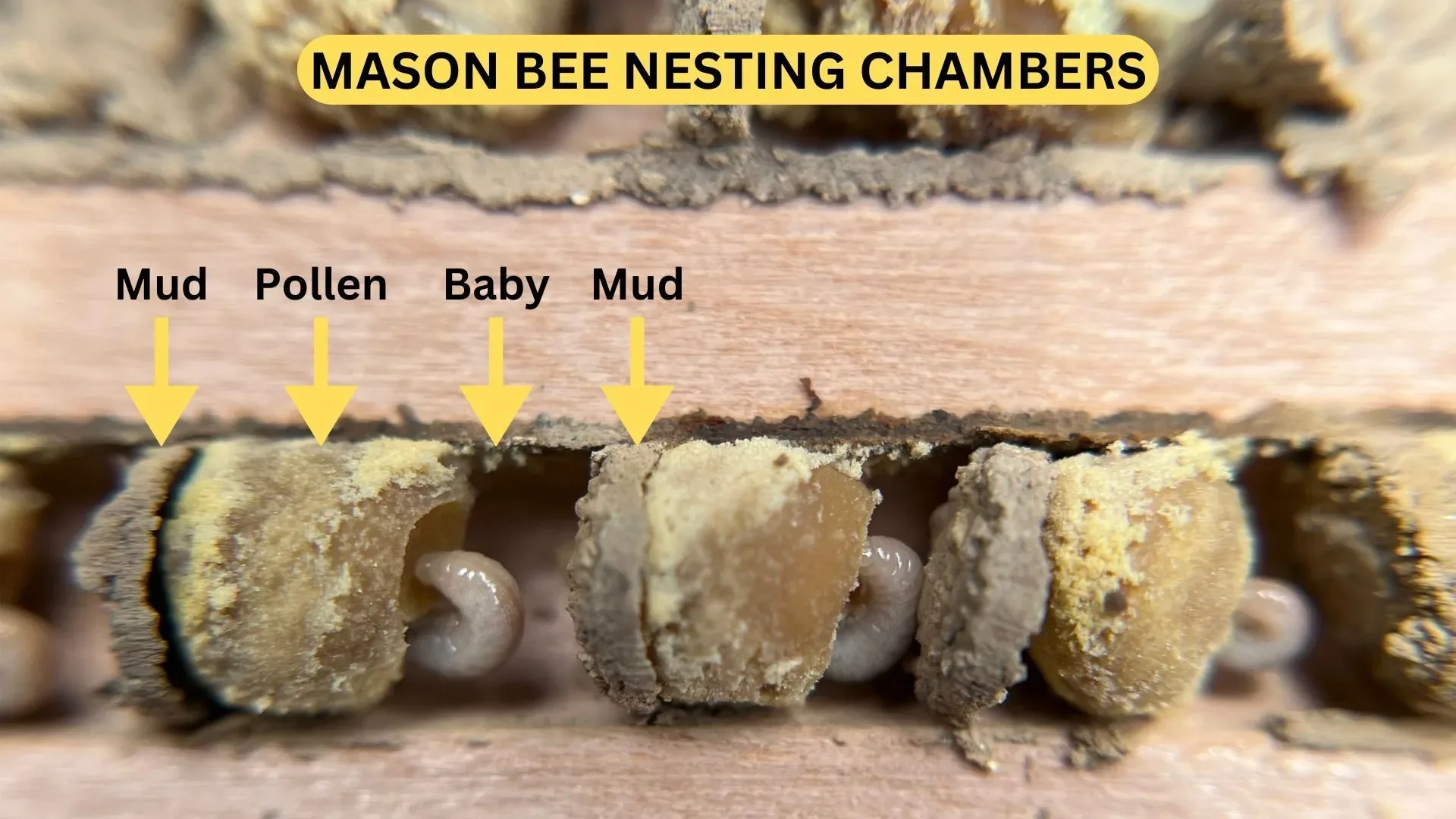
Mud + Pollen + Egg + Mud
Teach students how a female mason bee builds her nest, one chamber at a time.
Mud → Pollen → Egg → Mud
She gathers pollen for her offspring, lays an egg and builds a protective mud wall before starting the next chamber.
Have students count the mud-capped holes on the nesting block and track how the bee house changes throughout spring.
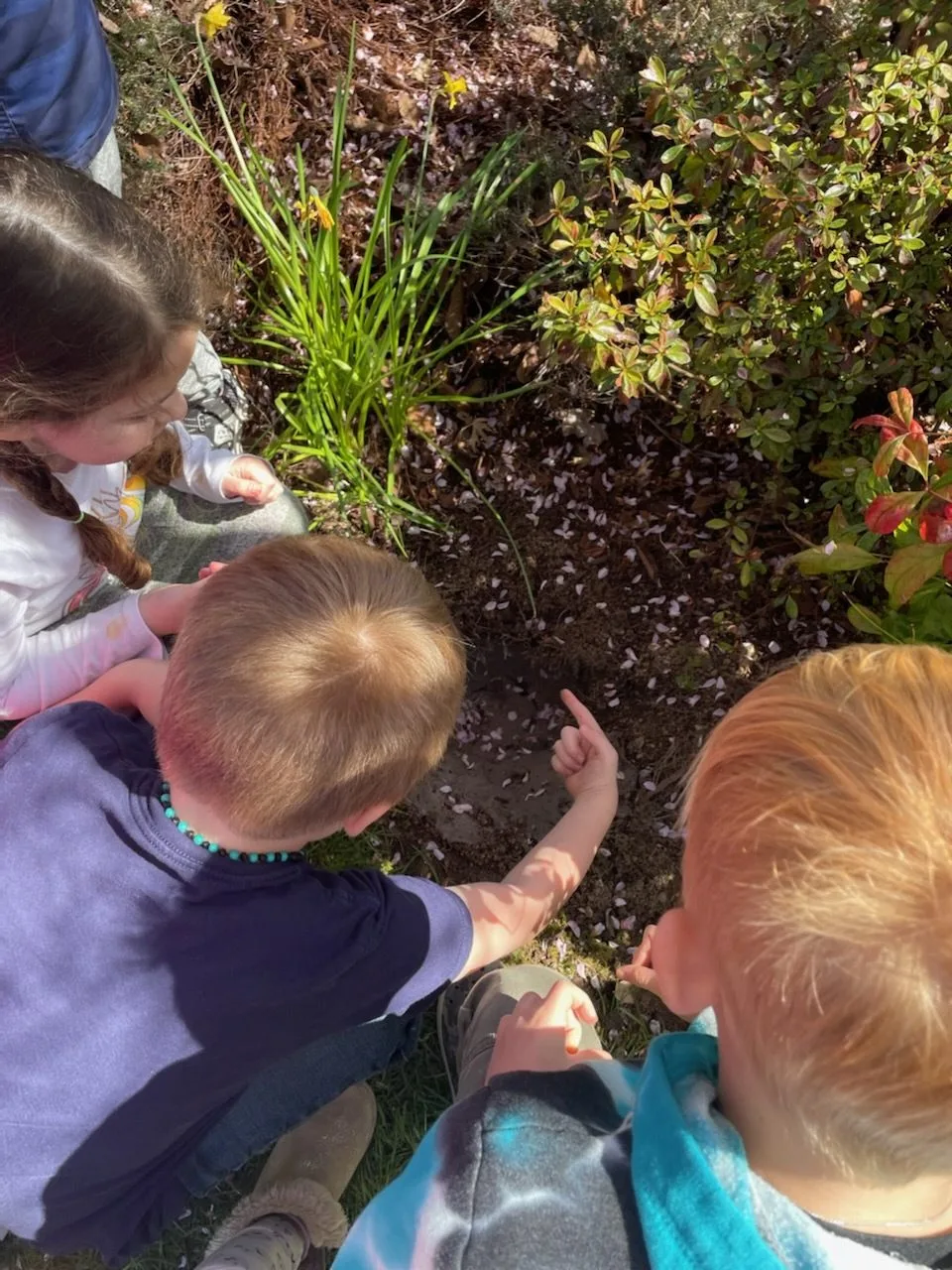
Make a Mud Hole
Mason bees need moist, clay-rich mud to build their nests.
Let students help create and maintain a small mud source near the bee house. Then watch for females returning to collect tiny balls of mud to build their nesting chambers.
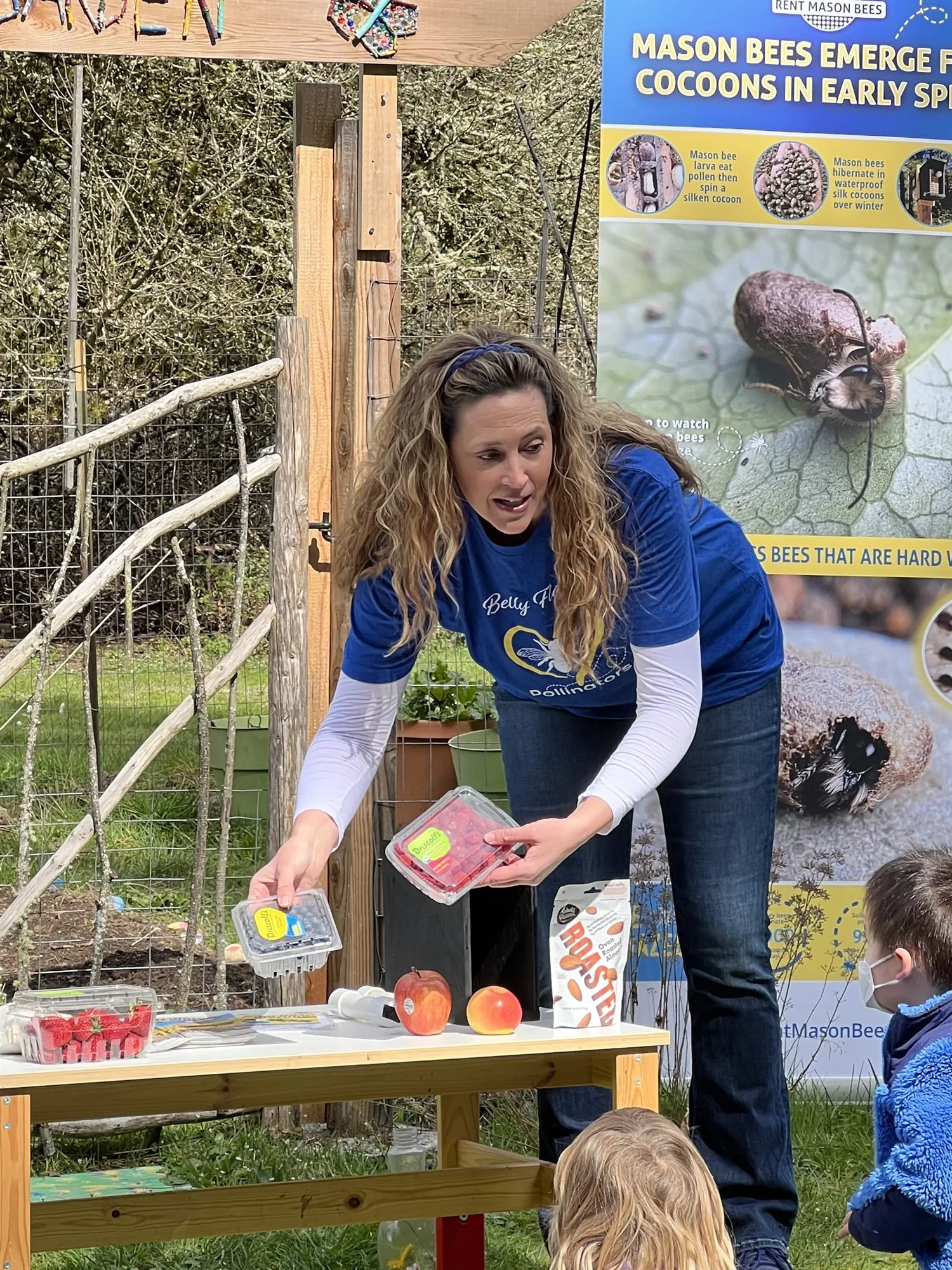
What Foods Are Made by Pollinators?
Turn snack time into a pollination lesson.
Bring in foods such as apples, cherries, blueberries, strawberries, pears and almonds and talk about how pollinators help produce many of the foods we eat.
Ask students: What did a pollinator help grow?
It's an easy way to connect bees with something kids understand immediately: the food on their plate.
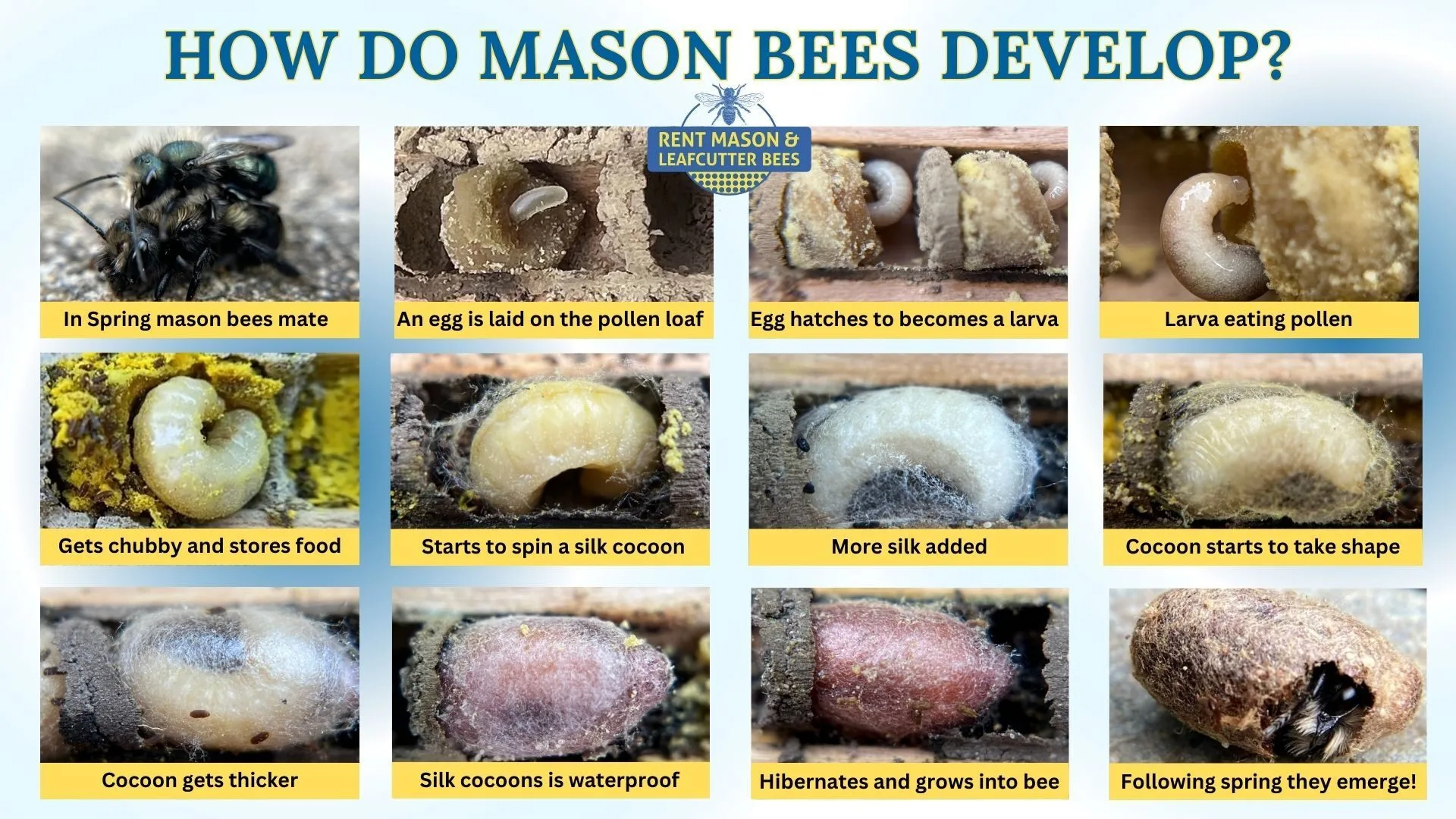
Follow the Mason Bee Life Cycle
Follow a mason bee from:
Egg → Larva → Cocoon → Adult bee
Mason bee larvae eat their pollen supply, grow and eventually spin a protective silk cocoon where they develop into adult bees.
Using our photos and videos, students can see what happens inside a mason bee nesting chamber, something they would never see by simply looking at the outside of a bee house.
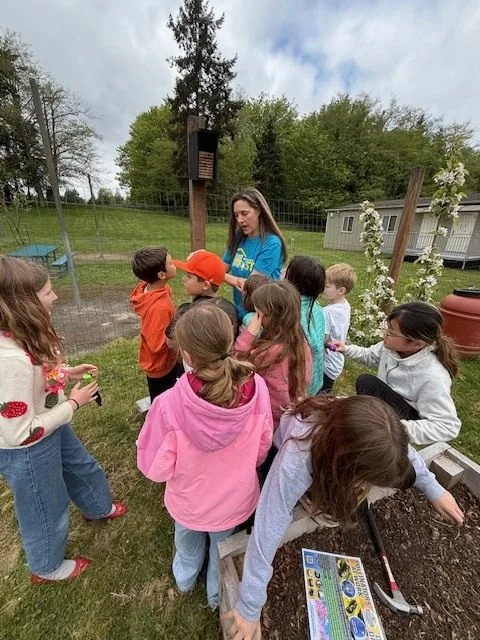
Become a Bee Observer
Take your students outside and spend a few minutes watching the bee house.
Can they spot a bee:
- Covered in yellow pollen?
- Carrying mud?
- Entering a nesting hole?
- Visiting a flower?
- Building a mud wall?
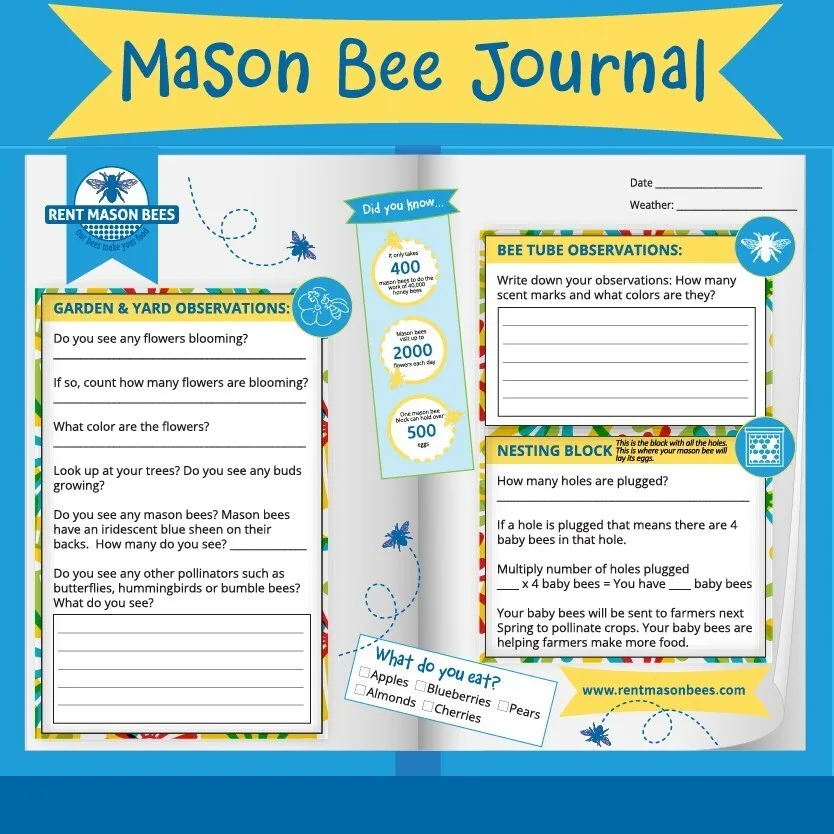
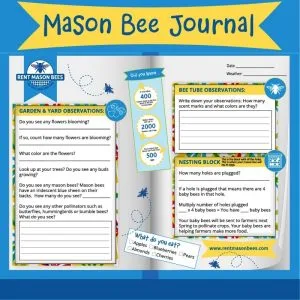
Have students record what they see in their Bee Observation Journal and follow the activity in the bee house throughout spring.
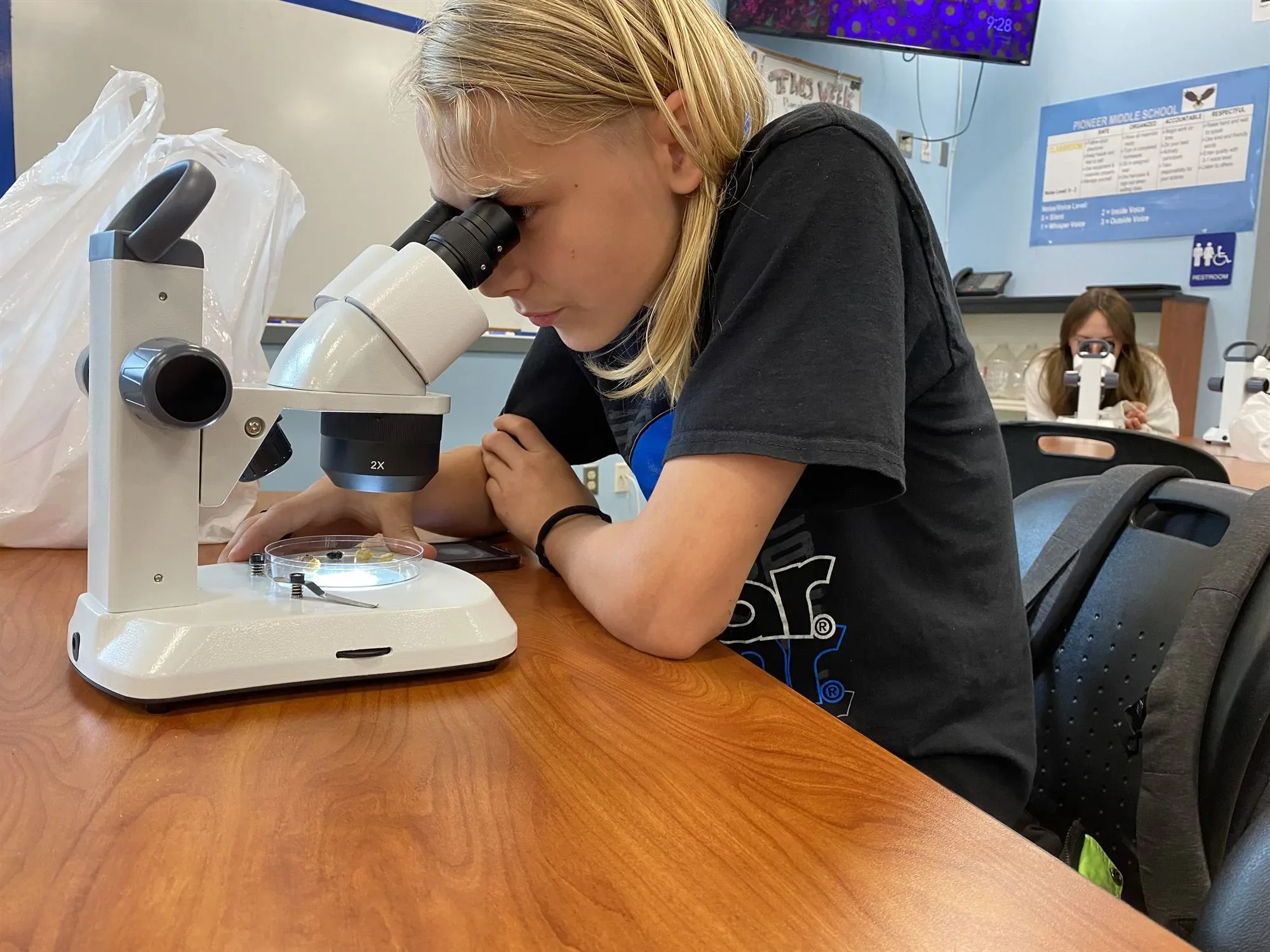
Examine Empty Cocoons
After the mason bees have emerged, save some of the empty cocoons for another hands-on science activity.
Students can examine the silk cocoons with a magnifying glass or microscope, touch their unique texture and see the tiny space where a mason bee spent the winter.
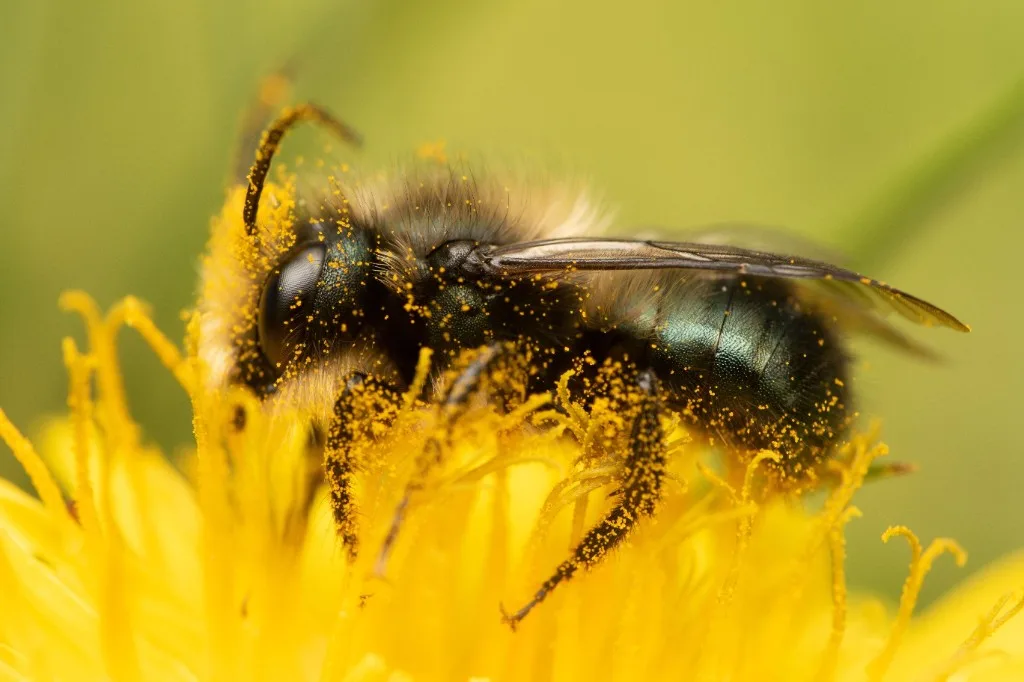
Belly Floppers vs. Saddlebags
Teach kids one of the coolest differences between mason bees and honey bees.
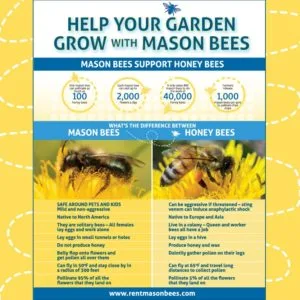
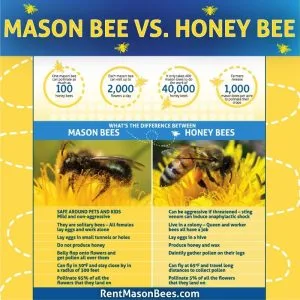
Mason bees are “belly floppers.” They carry loose pollen on hairs underneath their abdomen.
Honey bees have “saddlebags.” They pack pollen into specialized pollen baskets on their hind legs.
Have students watch bees visiting flowers and see if they can identify where they're carrying their pollen.
Don't Be Afraid of Bees
For many kids, and their parents, the word bee immediately means “sting.”
Mason bees are a wonderful way to show children that not all bees are the same. These solitary bees are gentle, non-aggressive and fascinating to watch up close.
Encourage students to slow down, observe and listen.
- Can they hear the deep buzz of a bumble bee?
- Can they hear the distinctive buzz of a mason bee?
- Can they spot a honey bee?
- Can they find a mason bee covered in pollen?
The more kids understand bees, the more likely they are to appreciate and protect them.
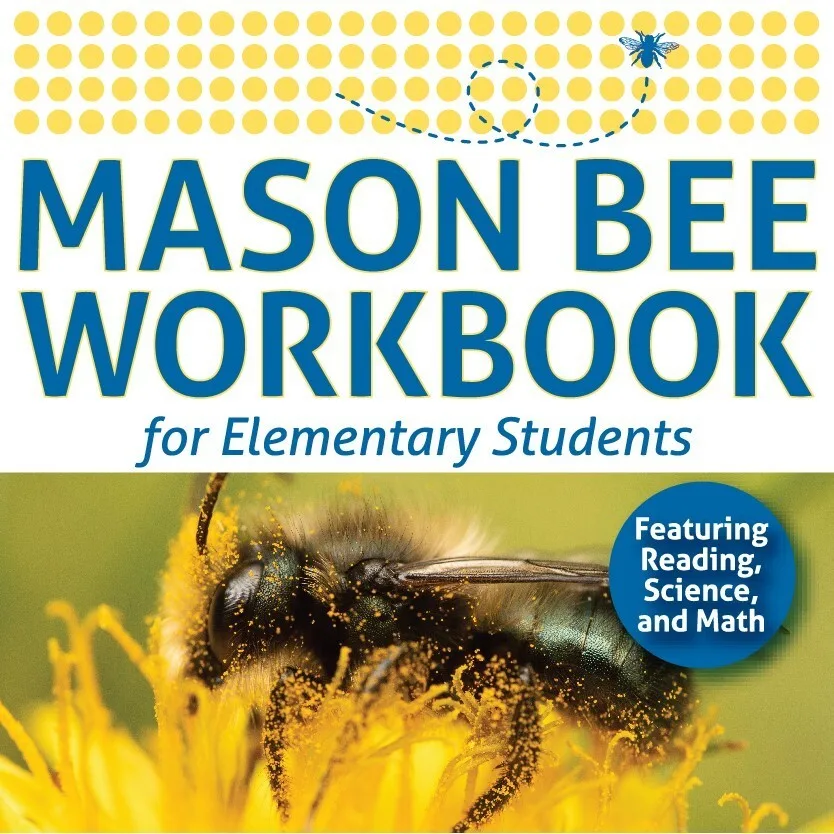
Free Printables for Your Classroom
Download. Print. Explore.
Keep the learning going with printable activities students can use in the classroom and while observing their bee house.
Available in color and black and white.
Bring Mason Bees to Your Classroom
Create a living pollinator lesson your students can follow throughout spring.
With a mason bee house, nesting material, mason bee cocoons and educational resources, students can watch the season unfold from the first bee emerging to the final mud-capped nest.
Turn your classroom into a living science lab and your students into Backyard Scientists.
Education Resources
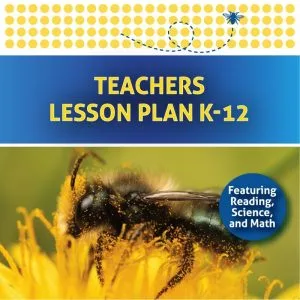
Welcome to our Teaching Resources Hub, a place where educators, parents, and community leaders can access free tools to bring the world of pollinators to life. Here you’ll find ready-to-use lesson plans, an engaging PowerPoint presentation, printable worksheets, and educational videos designed to make learning about mason bees both fun and impactful. Whether you’re teaching in a classroom, leading a garden workshop, or exploring nature at home, these resources will help you inspire curiosity, spark hands-on discovery, and nurture a lifelong appreciation for pollinators.
Teaching Resources:
Oregon State University Provides an Incredible website to teach kids about pollinators. They include bee books, videos and session planning for teachers – https://www.foodhero.org/bees
Fun Facts for Kids:
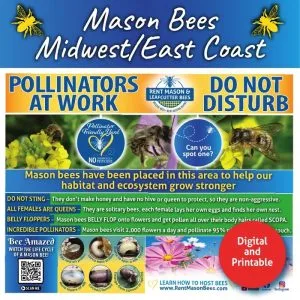
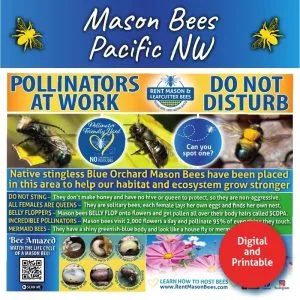
- MERMAID BEE– Mason bees have an iridescent sheen that looks like a glimmery mermaid tail.
- CLUMSY LITTLE BEES – The honey bee carefully collects pollen on their back legs, whereas the mason bee BELLY FLOPS onto the flower and gets pollen all over their bodies.
- BEE AMAZED! – It’s good to be clumsy.
- HELP HONEYBEES – They co-exist with honeybees and help reduce the stressful demand placed on honeybee colonies.
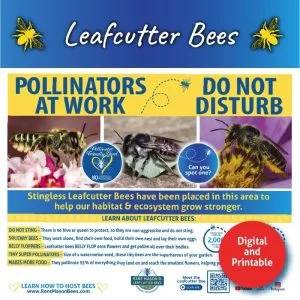
- WORK ALONE – Solitary bees work by themselves, find their own food, build their own nest and lay eggs.
- APPLES, BLUEBERRIES, ALMONDS, PEARS & CHERRIES – The food you eat was made by a pollinator.
Order a Mason Bee Kit for Your School Garden
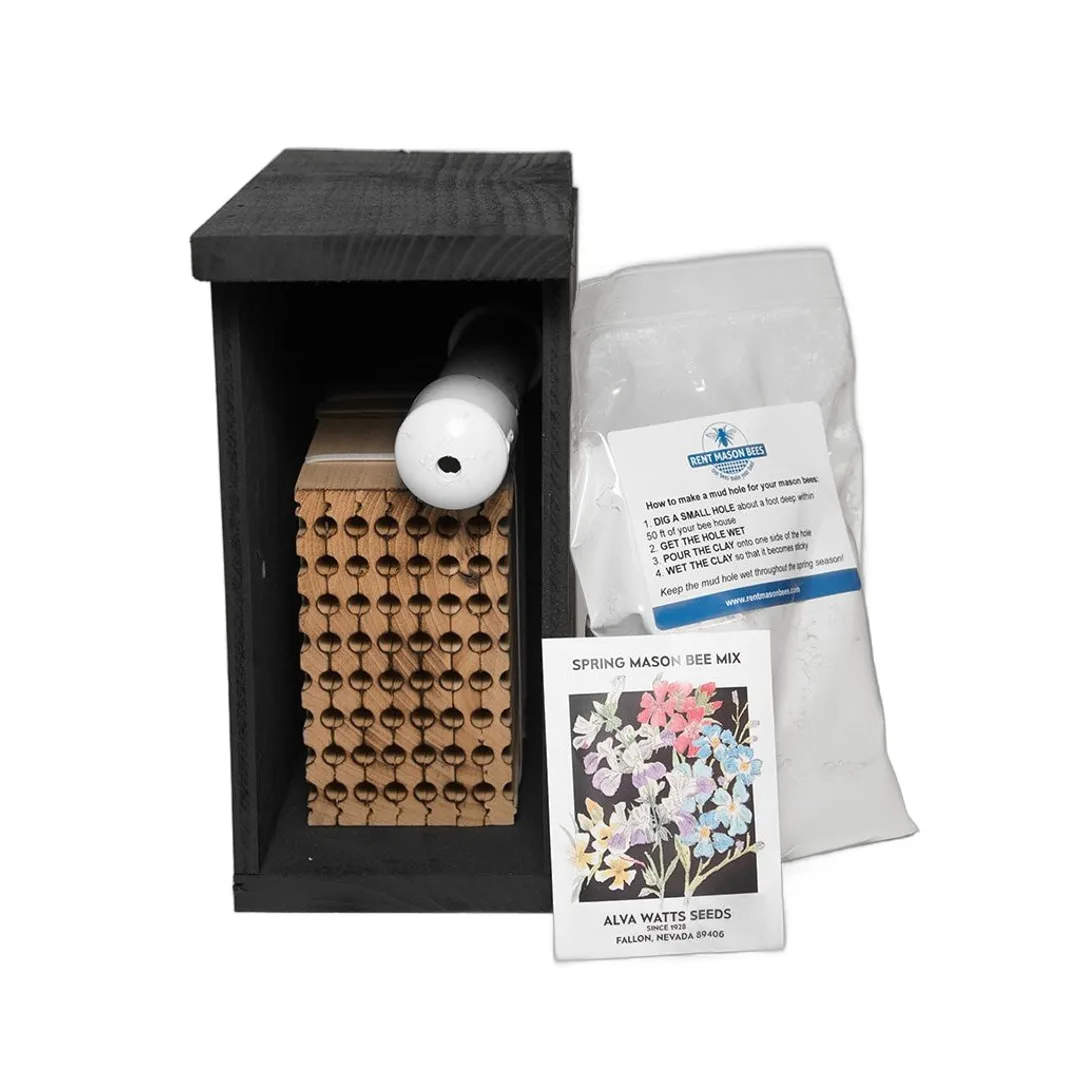
This kit includes: 50-60 mason bee cocoons inside of a white emergence tube, a mason bee nesting block, a wooden house with hanging hook, clay/mud and pollinator flower seeds. You will also receive instructions for how to hang the house, how to send the bees back, and a return shipping label.
Starter · We Clean
Mason Bee Starter Kit
First year in a backyard. Spring fruit trees and early bloom.
Includes 50+ cocoons.
$85 each
Videos for Teaching
What Is a Mason Bee? Watch Their Life Cycle, Predators & How You Can Help! Watch How Mason Bees Emerge from Their Cocoons Magical Mason Bees - Get a buzz watching! Meet the Leafcutter Bee - Tiny, Mighty Pollinators for Your Garden!