Blog · Uncategorized ·
What’s happening with mason bee research in Seattle?

 We know that mason bees can help pollinate our fruit trees and berry bushes, but what do they really like to eat? And what kind of impact do non-native plants have on native bees like the mason bee? University of Washington Ph.D. student Lila Westreich spends her time in Seattle’s parks each spring trying to answer these questions and more about the blue orchard mason bee.
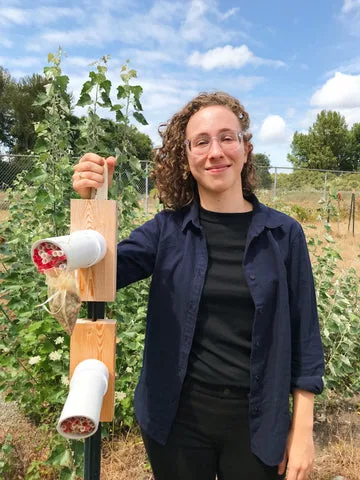
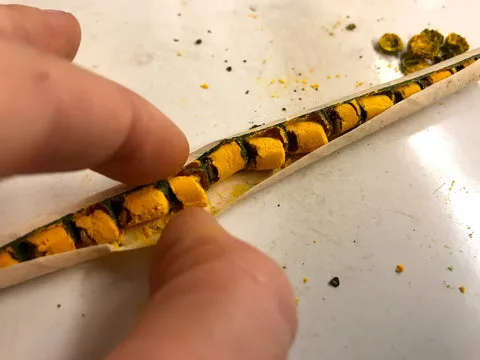
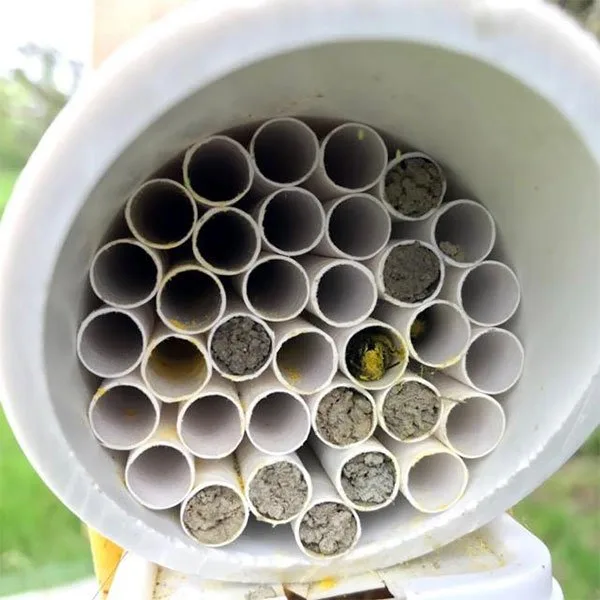
In the spring of 2018, Lila placed bee nesting sites in places like Discovery Park and Seward Park, as well as the UW Farm, Magnuson Park, and the Center for Urban Horticulture. By staggering the release of mason bee cocoons throughout the spring and then analyzing the pollen that was put in the nesting material by the mother mason bees, Lila was able to get an idea of what our local mason bees are foraging on.
Why pollen? Pollen is rich in the amino acids and proteins that are essential for bee development, and different plants have different levels of these nutrients. Through initial sequencing of the pollen provisions, she found that even though mason bees are generalist pollinators, they definitely prefer some plants over others. Some of their favorites? Willow, red bud, and local berry blooms. Surprisingly, two out of the three are not even native to the Pacific Northwest! She also commonly observed collection from some of our native plants like the big leaf maple (a known favorite of the mason bee).
Since initial results from the 2018 study indicated that mason bees are not as likely forage solely on native plants as we might have thought, this year Lila is expanding her sites to try to answer more in depth questions about mason bee foraging behavior. Can mason bees find one source of pollen that meets all of their nutritional needs? Are there levels of toxicity in some pollen sources that require the mason bees to collect many types of pollen in order to reduce toxicity or combat nutrient deficiency? Can we encourage mason bee populations to thrive by having a more in depth understanding of their nutritional needs and therefore succinctly design our yards to support native bees?
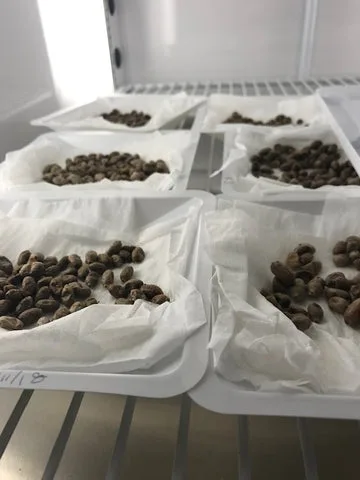
As part of the scope of her research, Lila has partnered with an organization called The Common Acre on their Green Line project. The space under the Seattle City Light powerlines that runs through the Creston-Duwamish transmission corridor from South Seattle to Tukwila used to be overgrown with invasive weeds. Now, three years later, thanks to the combined efforts of many location organizations, two acres of this land has been restored to a thriving native pollinator habitat. This year, these two acres will be repopulated with native mason bees from Lila’s research and then analyzed to find the preferred food sources available to native bees. Other organizations involved with this region-wide mason bee foraging research include: 21 Acres, Beacon Hill Food Forest, the Rainier Beach Urban Farm, Vashon Island Trust, and Oxbow Farm and Conservation Center.
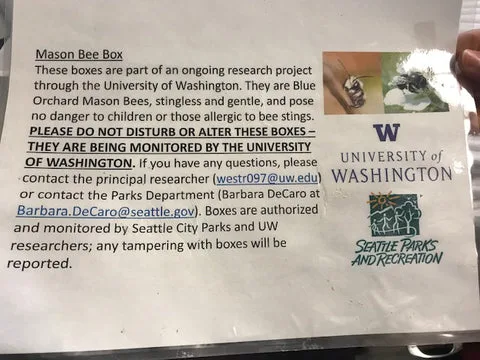
Next time you’re walking around some of our city’s P-patches, popular city parks, or on trip out to Vashon Island, look out for Lila’s bee boxes! These areas are much like many of the backyards of our renters: in urban areas, filled with a diverse array of native and non-native plants, and can be happy and plentiful sites for mason bees to reside. Stay tuned for updates and research results from spring 2019! Have more questions about Lila’s research? You can contact her at westr097@uw.edu