Blog · Mason Bees · Safe Gardening Tips ·
What to Plant in Fall for Spring Mason Bees

It’s the beginning of Fall and a perfect time of year to get things planted for the upcoming spring! The soil is still soft, and the weather is stabilizing, giving plants the chance to develop strong root systems before winter dormancy. Early spring is when mason bees begin hatching, so it’s important to have pollen sources ready for them as they emerge. Before the frost sets in, consider planting some early spring bloomers to provide much-needed food for your mason bees when they first take flight.
Visit your local garden center to see what they have in stock for fall planting. Let’s celebrate the hard work we’ve put into our gardens and ecosystems with this final push before winter.
Give your mason bees a warm welcome next spring by planting these early bloomers to encourage foraging in your garden!
Visit Pollinator.org to find your zone and garden “recipe” card on what to plant for spring pollinators.
Here is an additional list below.
Perennials
CANDYTUFT
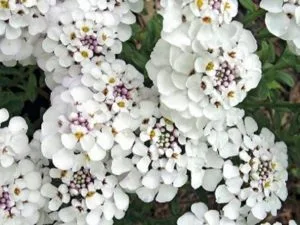
•Amazing groundcover plant and can be used as borders
•Attracts lots of pollinator friends from the plentiful bright blooms
•Bloom time depends on variety but mainly April – may
CREEPING PHLOX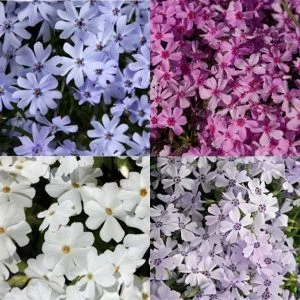
• Slow growing groundcover with lots of colors and bloom shapes to choose from
• Showy blooms for pops of color throughout the garden bed
• Main blooming times are mid spring – late spring
MAGNOLIA
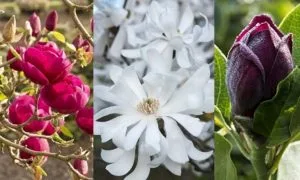
- Early spring blooming magnolias provide a safe haven for pollinators
- Most evergreen magnolias bloom towards summer, but the deciduous kinds provide earlier bloom times and a larger variety of shapes and colors
- High pollen quantities
REDBUD
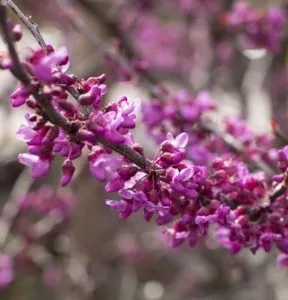
- Early spring – mid spring blooms lead to maroon colored foliage
- Small dainty blooms covering large branches
CRABAPPLE
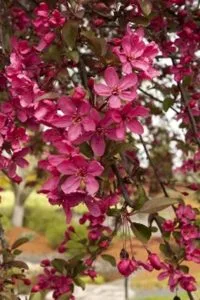
•Cold hearty blooms for late winter interest
•Pollinated blooms develop into small red fruit; not super taste but can be made into a jam or spread
•Gorgeous fall colors
FLOWERING QUINCE
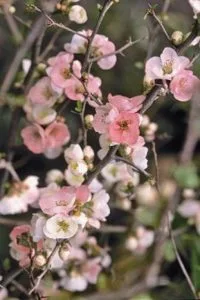
- Robust blooms on bare branches during late winter and early spring
- Cut branches can be used in vases
- Thornless varieties are becoming more available
Edgeworthia (Paper Bush)
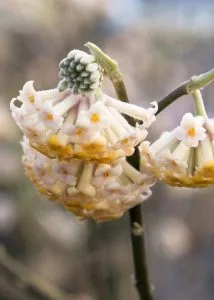
•Extremely fragrant cluster of blooms
•Pollinator magnate
•Depending on varieties, main bloom time spans through March – April
Witch Hazel
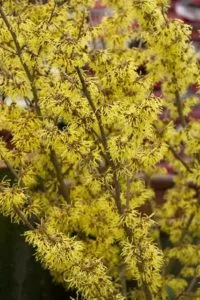
•Bright yellow blooms on bare branches though January – March
Evergreens
Hellebores
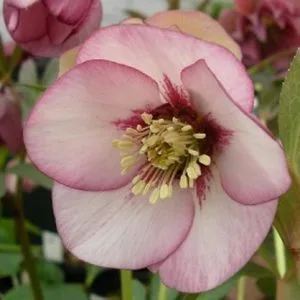
•Low-growing shade plant with large varieties of blooms
•Great for winter gardens
•Depending on varieties, blooms go through winter – late spring
MAHONIA
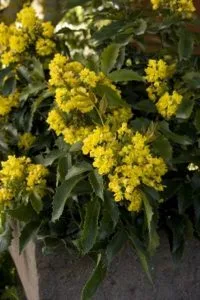
•Wonderful shade plant that provides texture and contrast in the garden
•Small yellow blooms through January – May and mature to blue berries
•Berries are very tart and can be harvested to make jams and jellies
DAPHNE
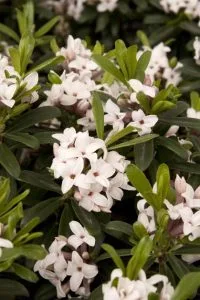
•Thrive in mostly shade and have very fragrant blooms
•Depending on the variety, bloom time spans though January – April for winter bloomers
PIERIS
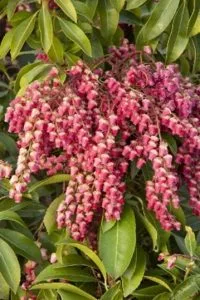
•Bell-like blooms through late winter – early spring
•New growth comes out a bright red/orange and fades to green, giving the plant year-round interest in colors
BULBS
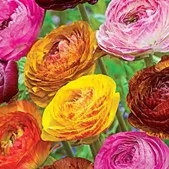
Ranunculus
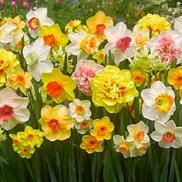
Daffodil
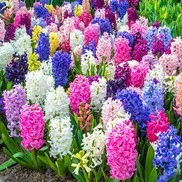
HYACINTH
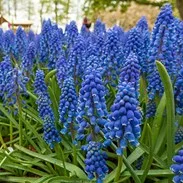
Grape Hyacinth
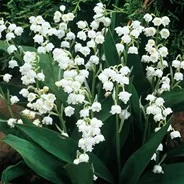
Lily of the Valley
TULIPS