Learn What Mono Wasps Look Like in Mason Bee Nest

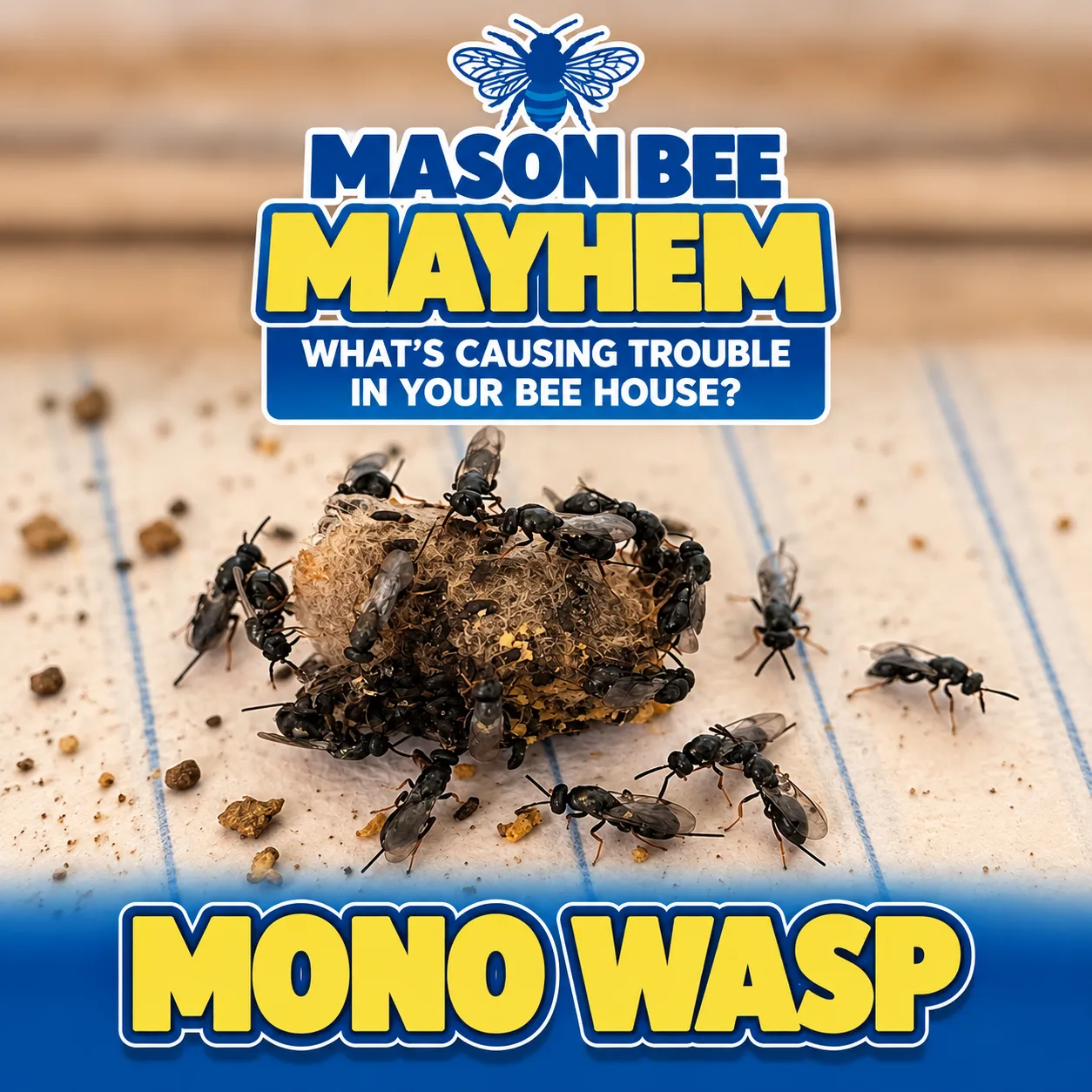
A mason bee cocoon can look perfectly healthy from the outside. But when you open it, you may discover an entirely different story.
During our annual mason bee harvest, we inspect millions of nesting cavities and cocoons. This gives us a unique look at the predators that can hide inside a bee house.
One of those predators is the mono wasp.
These tiny wasps may be difficult to spot, but they can cause significant damage to developing mason bees. In our new video, we take you inside a compromised mason bee cocoon and show you exactly what mono wasps look like.
Watch: Mono Wasps Inside a Mason Bee Cocoon
What looks like one ordinary mason bee cocoon may actually contain multiple mono wasps.
This is why properly managing your mason bee nesting materials and inspecting your cocoons every year are so important.
What Is a Mono Wasp?
Mono wasps, also known as Monodontomerus wasps, are tiny predators of mason bees and other cavity-nesting bees.
A female mono wasp finds a developing mason bee inside its nesting cavity. She uses her long, stinger-like egg-laying structure, called an ovipositor, to pierce through the nesting material or cocoon.
She can lay approximately 20 to 50 eggs inside a single mason bee cocoon.
When those eggs hatch, the mono wasp larvae consume the developing mason bee. The larvae remain protected inside the mason bee cocoon while they grow.
From the outside, the cocoon may still look perfectly normal.
What Happens Inside an Infested Cocoon?
A healthy mason bee cocoon should contain one developing mason bee.
A cocoon compromised by mono wasps may instead contain numerous mono wasp larvae or adults. The mason bee inside has been consumed, but its cocoon remains behind.
That is what makes mono wasps so difficult to detect without inspecting the cocoons.
You cannot always tell what is happening by looking at the outside of a bee house or nesting block.
You have to open the nesting materials, harvest the cocoons and inspect them carefully.
Why Mono Wasps Can Become a Serious Problem
Mono wasps can develop quickly, allowing multiple generations to occur during one mason bee season.
Each new generation can emerge and search for additional mason bee cocoons. If filled nesting materials remain outside after the mason bees have finished nesting, mono wasps may continue accessing and compromising the developing bees.
A single affected cocoon may produce many mono wasps instead of one healthy mason bee.
If those wasps are not identified and removed, they can emerge and continue the cycle.
How Do You Find Mono Wasps?
At Rent Mason Bees, we inspect mason bee cocoons on a light table during our fall harvest.
A healthy cocoon is generally dark and solid when light shines beneath it. A compromised cocoon may look hollow or allow more light to pass through.
Suspicious cocoons are separated and inspected more closely.
When we open a compromised cocoon, we may find mono wasp larvae, adult wasps or the remains of a mason bee that did not survive.
Every affected cocoon we identify and remove prevents those mono wasps from emerging near healthy mason bees the following spring.
How to Protect Your Mason Bees From Mono Wasps
Proper annual care is one of the best ways to reduce the damage caused by mono wasps and other predators.
1. Start With Clean Nesting Materials
Give your mason bees clean nesting materials every spring.
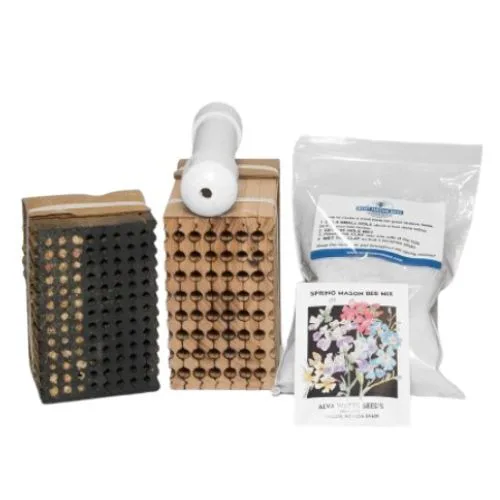
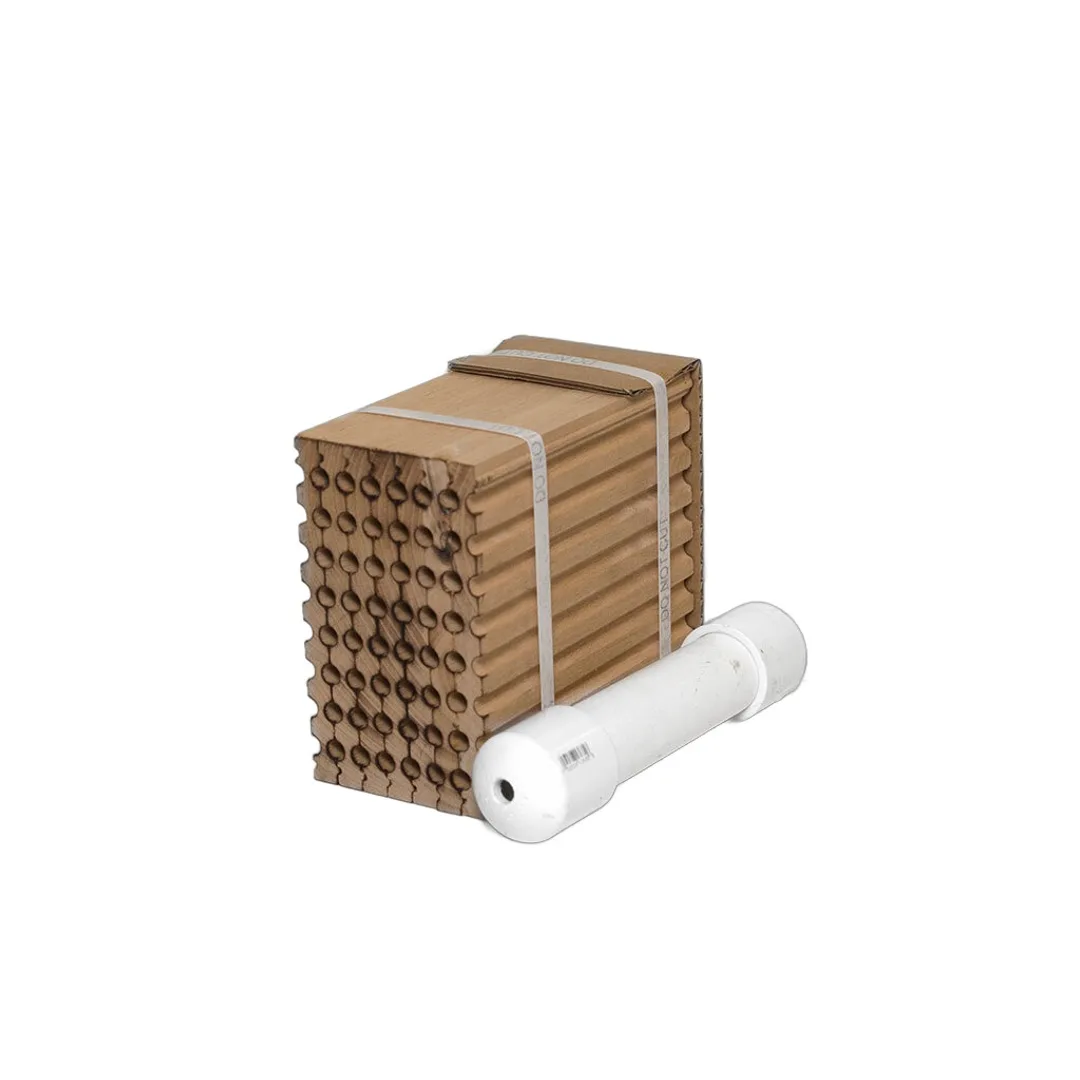
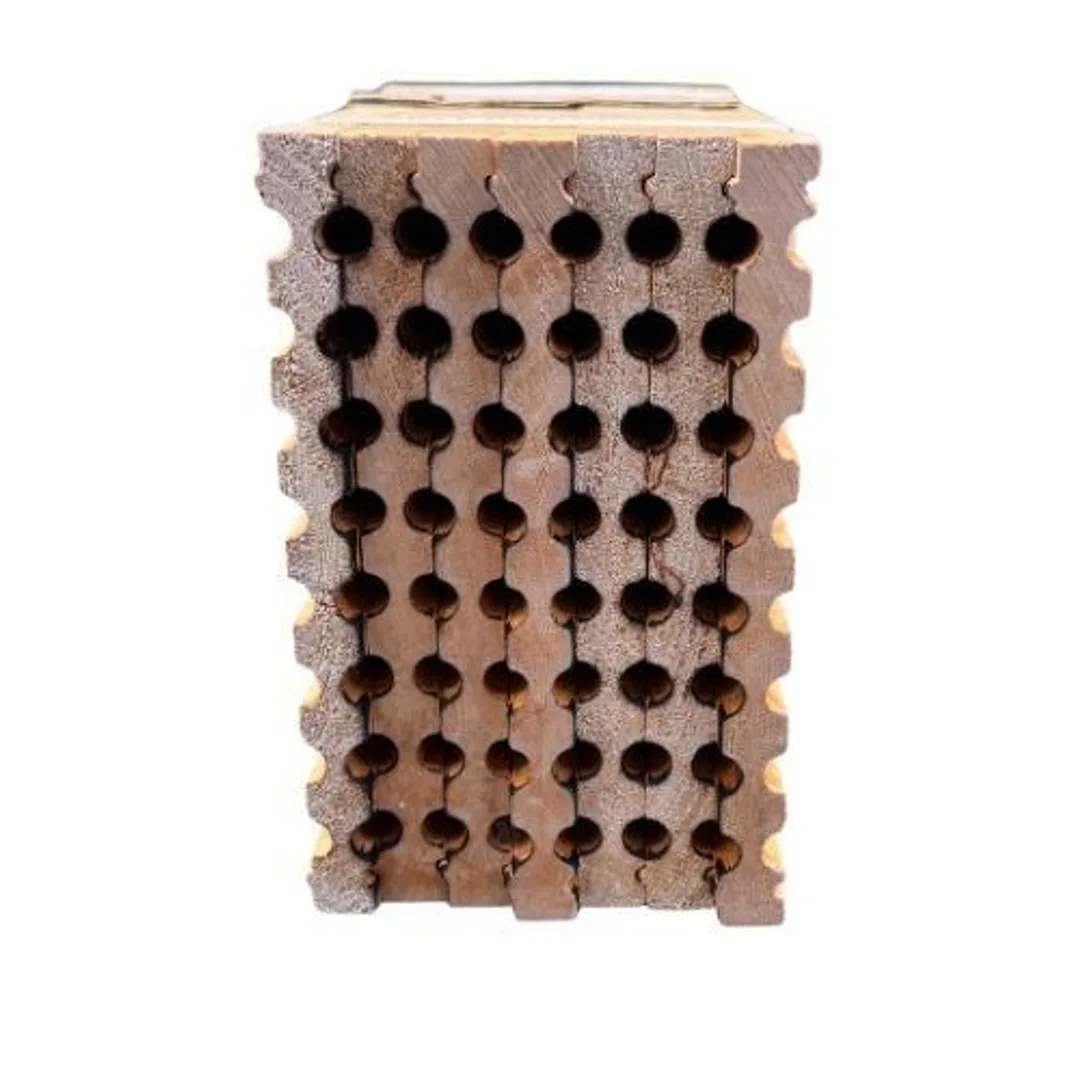
Use stacking wooden trays or removable cardboard tubes that can be opened and inspected. If your nesting materials cannot be opened, you cannot see what is happening inside the nesting chambers.
2. Remove Filled Nesting Materials After Spring
Adult mason bees live for approximately six to eight weeks.
Once their spring nesting season has ended, remove the filled nesting materials from the bee house. Do not leave them outside and exposed to predators throughout the year.
Store the nesting materials in a protected location while the mason bees continue developing inside their chambers.
3. Harvest and Inspect the Cocoons in Fall
By October or November, the developing mason bees have spun their protective silk cocoons.
Open the nesting materials and inspect each nesting chamber. Harvest the healthy cocoons and look carefully for signs of predators.
Cocoons that appear unusually light, hollow or damaged should be examined more closely.
4. Properly Destroy Mono Wasps
Do not toss living mono wasps, larvae or compromised cocoons into an outdoor garbage can or compost pile.
Some may survive and complete their life cycle.
Freeze or burn affected cocoons and debris to prevent the mono wasps from emerging and finding more mason bee nests.
Rent Mason Bees Hosts: We Do This Work for You
If you participate in the Rent Mason Bees program, mono wasps are one of the reasons we ask you to return your nesting block at the end of every season.
When your block comes back to us, our work is just beginning.
We open the nesting chambers, harvest the cocoons, identify and remove predators, clean the healthy mason bee cocoons, clean the reusable nesting equipment and care for the bees through winter.
You host the bees. We handle the messy part.
When spring arrives, your mason bees receive clean nesting materials and a fresh start.
Watch How We Clean 3 Million Mason Bee Cocoons
Clean Your Own Mason Bees? Fall Inspection Matters
If you raise and care for your own mason bees, opening and inspecting your nesting materials is an important part of annual care.
Do not simply put up a bee house and forget about it.
Your bee house may look completely healthy from the outside while mono wasps and other predators are developing behind the mud walls.
Fall harvesting allows you to see what happened inside each chamber, remove compromised cocoons and protect the next generation of mason bees.
Here is a Step-by-Step Guide on Harvesting and Cleaning your own mason bee cocoons and nests
Healthy Mason Bees Need Annual Care
Putting up a bee house is only the beginning.
Your mason bees depend on you to remove their filled nesting materials after spring, inspect their cocoons in fall and provide clean nesting materials the following year.
Mono wasps are small, but the damage they cause can add up quickly. Learning what they look like and removing compromised cocoons helps stop the cycle before another generation emerges.
Remove and store. Harvest and inspect. Start clean every spring.
These simple steps can make a big difference for the mason bees in your care.
Thank you for properly caring for your mason bees and for being a great bee host!