

Blog · Leafcutter Bees · Bee Care ·
Protect Mason Bees over the Summer

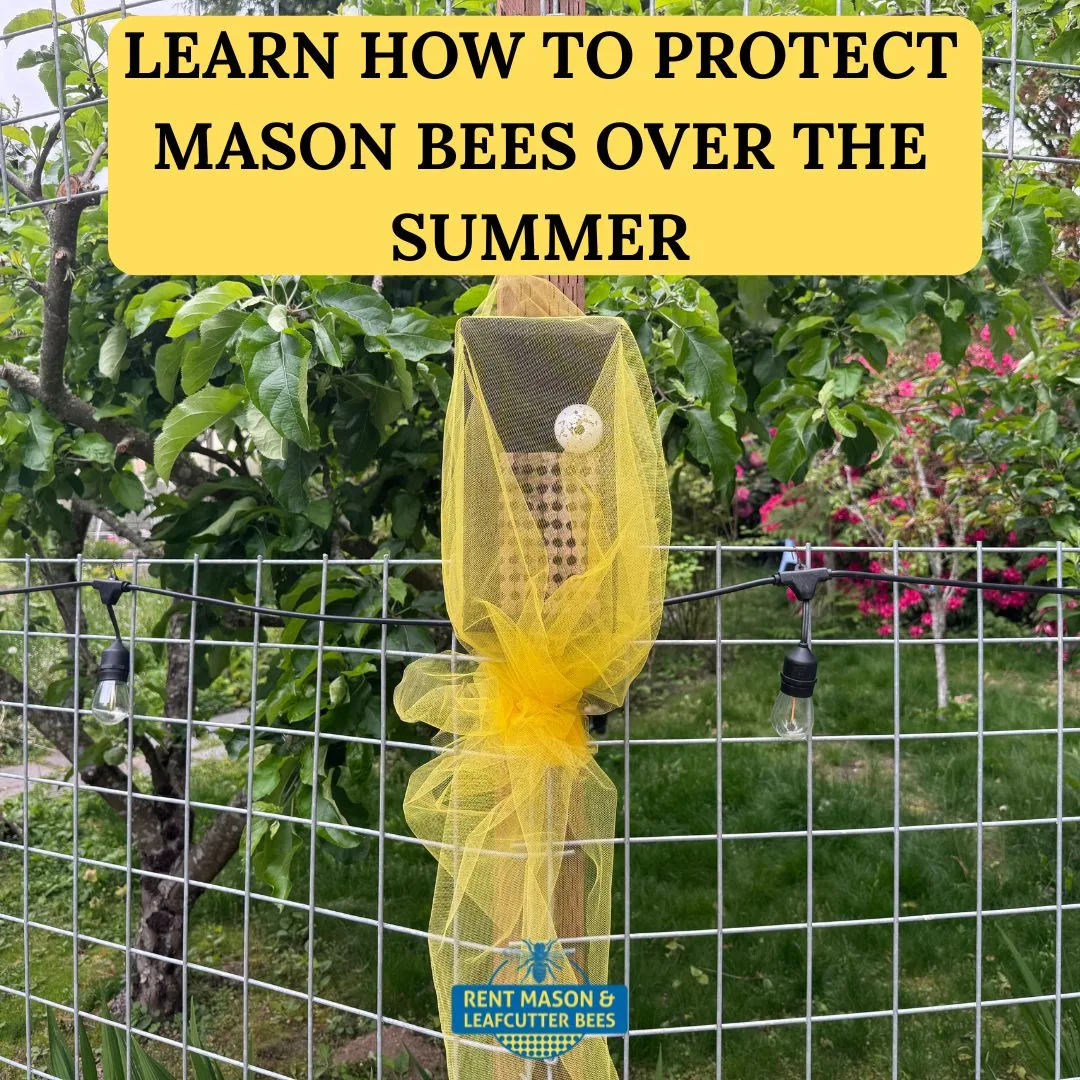
There are many types of bees and wasps that use nesting chambers, which means timing and maintenance are crucial for keeping your mason bees safe. Without proper care, your nesting blocks can become a hotspot for predators.
Why Timing Matters: If you’re hosting mason bees, the recommended nesting hole size is 8mm and 6″ length. Mason bees are active for about 6–8 weeks in the spring. However, if you leave your mason bee nesting blocks out all summer, you risk attracting unwanted pests like:
- Mono Wasps – which can parasitize your developing bee cocoons.
- Grass Wasps – that may take over empty nesting chambers.
- Other Insects – that can infiltrate and harm your developing bees.
- Birds – that can pluck out the cocoons inside
How to Protect Your Mason Bees:
Remove Your Mason Bee Blocks at the End of Spring: Researchers and scientists recommend removing nesting blocks once mason bees have completed their life cycle. This protects your developing bees from predators and prevents other insects from taking over.
When to Switch to Leafcutter Bee Nesting Materials: Once your mason bee season is over, you can set out new nesting materials for leafcutter bees, which prefer smaller 6mm holes and 3″ long chambers.
Clean and Maintain in the Fall: Cleaning is much easier if you keep your mason bee nesting blocks separate from other types of nesting materials. By focusing on your mason bee cocoons, you can ensure they stay healthy without dealing with other hole-nesting insects and predators. Proper maintenance and timing are the keys to helping your bees thrive—ensuring they remain safe, healthy, and ready to pollinate next season.



