Blog · Mason Bees · News · Predators · Research · Safe Gardening Tips · Bee Care ·
Oregon State University's Guide to Nurturing Mason Bees

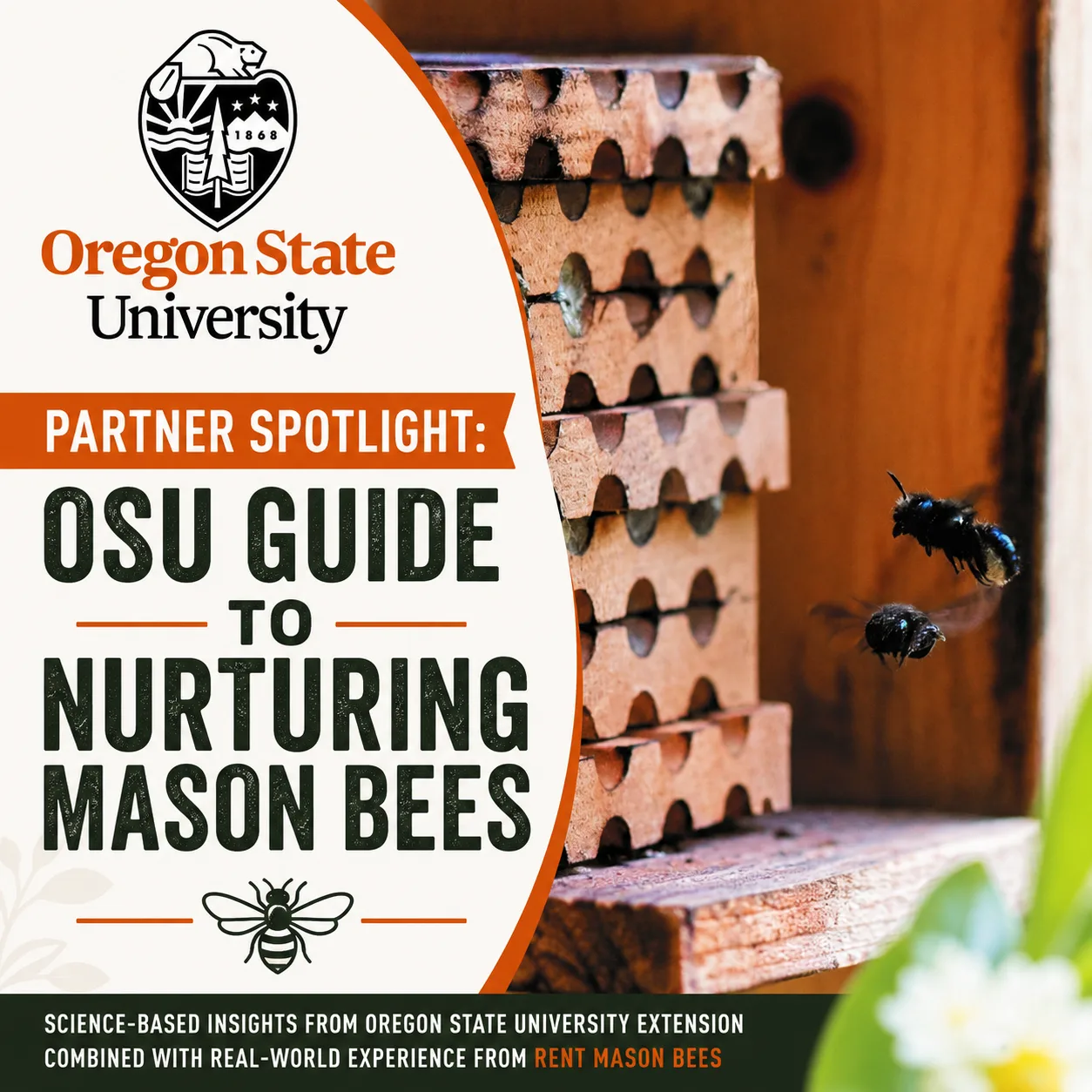
At Rent Mason Bees, we’re proud to partner with Oregon State University Extension and continually learn from their research to advance solitary bee education across the country. This article highlights some of the most valuable lessons from one of their outstanding mason bee publications.
If you’re thinking about hosting mason bees, or you’ve been caring for them for years, you’ll want to read Nurturing Mason Bees in Your Backyard, published by Oregon State University Extension.
The guide covers everything from mason bee biology and nesting habits to creating healthy habitat and properly caring for your bees throughout the year. Although it was written for western Oregon, the biology of mason bees is the same throughout North America. Depending on where you live, the timing of bee emergence and bloom periods may vary, but the best management practices for raising healthy mason bees remain the same.
Here are a few of our favorite takeaways from this outstanding guide.
Mason Bees Need Three Things to Thrive
Successful mason bee hosting starts with three simple essentials:
- Plenty of early spring flowers
- Healthy, clean nesting material
- A nearby source of moist mud
When these three needs are met, mason bees can successfully raise the next generation of pollinators.
Plant for Continuous Blooms
Mason bees emerge in early spring and depend on pollen and nectar immediately after emerging.
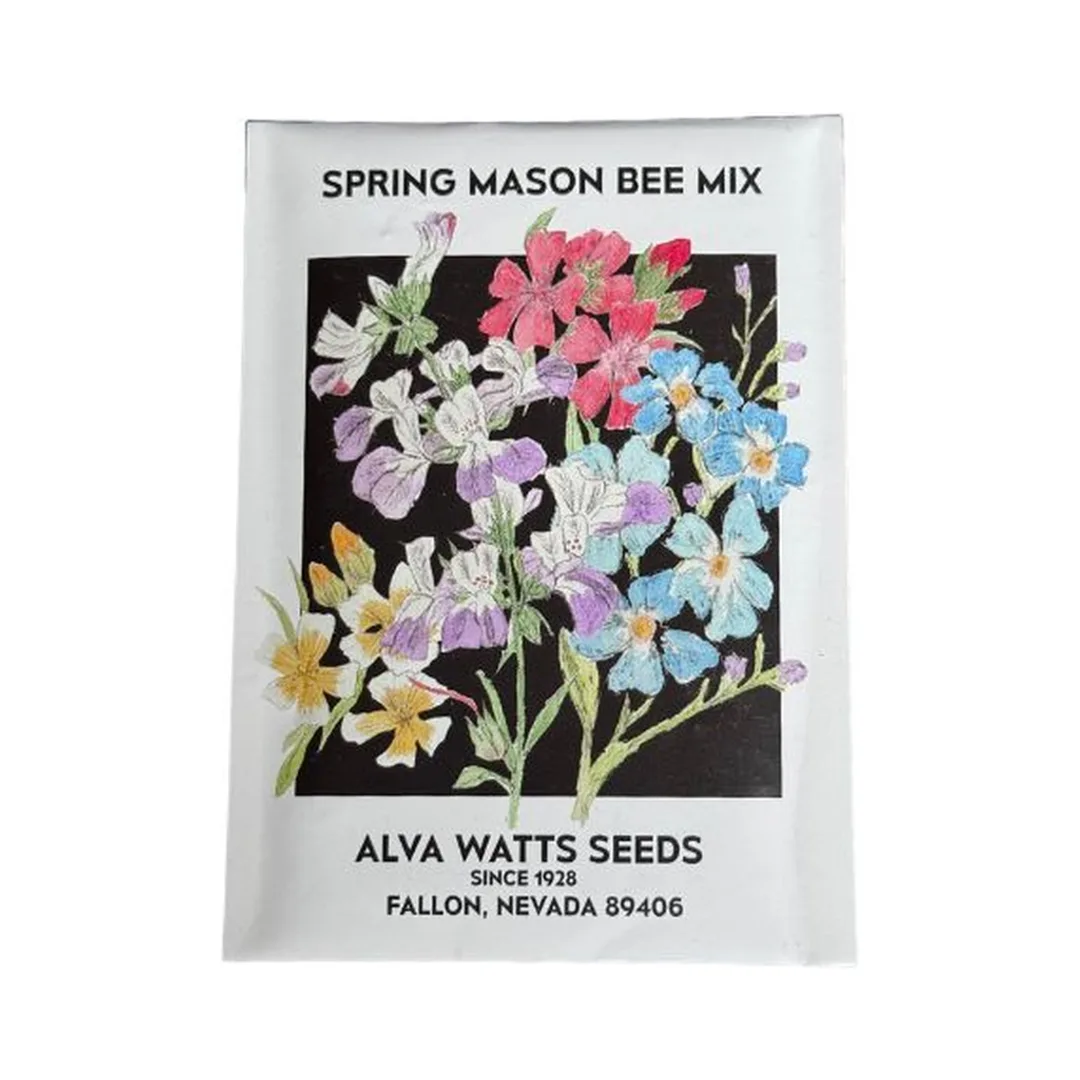
Fruit trees are excellent food sources, but native shrubs, flowering trees, herbs, and early blooming perennials all help provide the nutrition they need.
Choose plants that are well suited to your local climate and provide blooms throughout the nesting season.
Mud Is Essential
Mason bees get their name because they use mud to build walls between each nesting chamber.
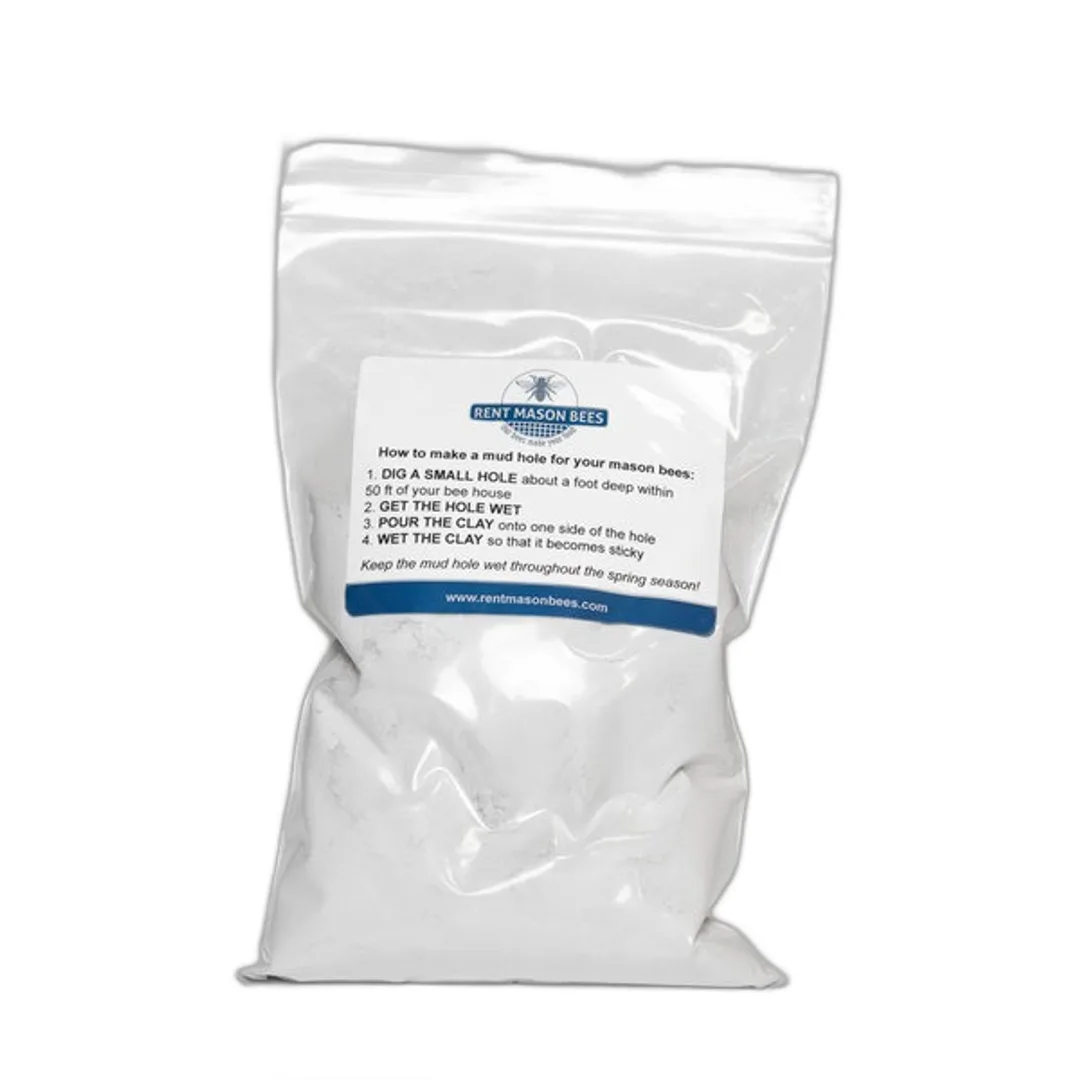
Providing a small area of moist, clay-rich soil near your bee house saves the females valuable time and energy while building their nests.
Healthy Nesting Material Makes Healthy Bees
One of our biggest educational missions is teaching people the importance of clean, openable nesting material.
While bamboo and drilled logs are commonly sold, they cannot be opened for annual inspection and cleaning. Over time they can harbor pollen mites, chalkbrood, Houdini fly larvae, mono wasps, and other pests.
We recommend nesting material that can be opened every fall so cocoons can be harvested, cleaned, and inspected before winter storage.
Remove Nesting Material After Spring
Adult mason bees only live about 6 to 8 weeks.
Once nesting activity has finished, remove the nesting material from your garden and store it in a garage or shed for the summer. This simple step helps protect developing bees from summer predators while they continue developing safely inside their cocoons.
Harvest and Clean Cocoons Every Fall
Annual cocoon harvesting is one of the most important things you can do to maintain a healthy mason bee population.
Cleaning cocoons helps reduce pests and diseases while giving your bees the best chance of emerging healthy the following spring.
Whether you choose our YOU CLEAN or WE CLEAN program, annual cocoon management is the key to long-term success.
Learn From the Experts
We’re grateful for our partnership with Oregon State University and the incredible work their researchers and Extension educators continue to do to advance pollinator education.
If you’d like to dive deeper into mason bee biology and care, we highly recommend reading Nurturing Mason Bees in Your Backyard from Oregon State University Extension. It’s one of the best science-based resources available and complements the educational guides, videos, and support we provide at Rent Mason Bees.
Special Thanks
We’d like to extend our sincere thanks to Oregon State University Extension and the authors of Nurturing Mason Bees in Your Backyard for their continued dedication to advancing mason bee research and pollinator education.
Thank you to Brooke Edmunds, Richard Little, and Ramesh Sagili for sharing your expertise and helping gardeners better understand the biology, care, and conservation of mason bees. We are proud to partner with Oregon State University Extension and continually learn from your research to educate gardeners across the country.
We encourage everyone interested in raising healthy mason bees to read the full publication and explore the many outstanding educational resources available through Oregon State University Extension.
Together, through research, education, and stewardship, we can help create healthier habitats and support thriving pollinator populations for generations to come.
Happy Pollinating!
The Rent Mason Bee Team