Blog · Uncategorized ·
How to Involve Kids with Mason Bees!

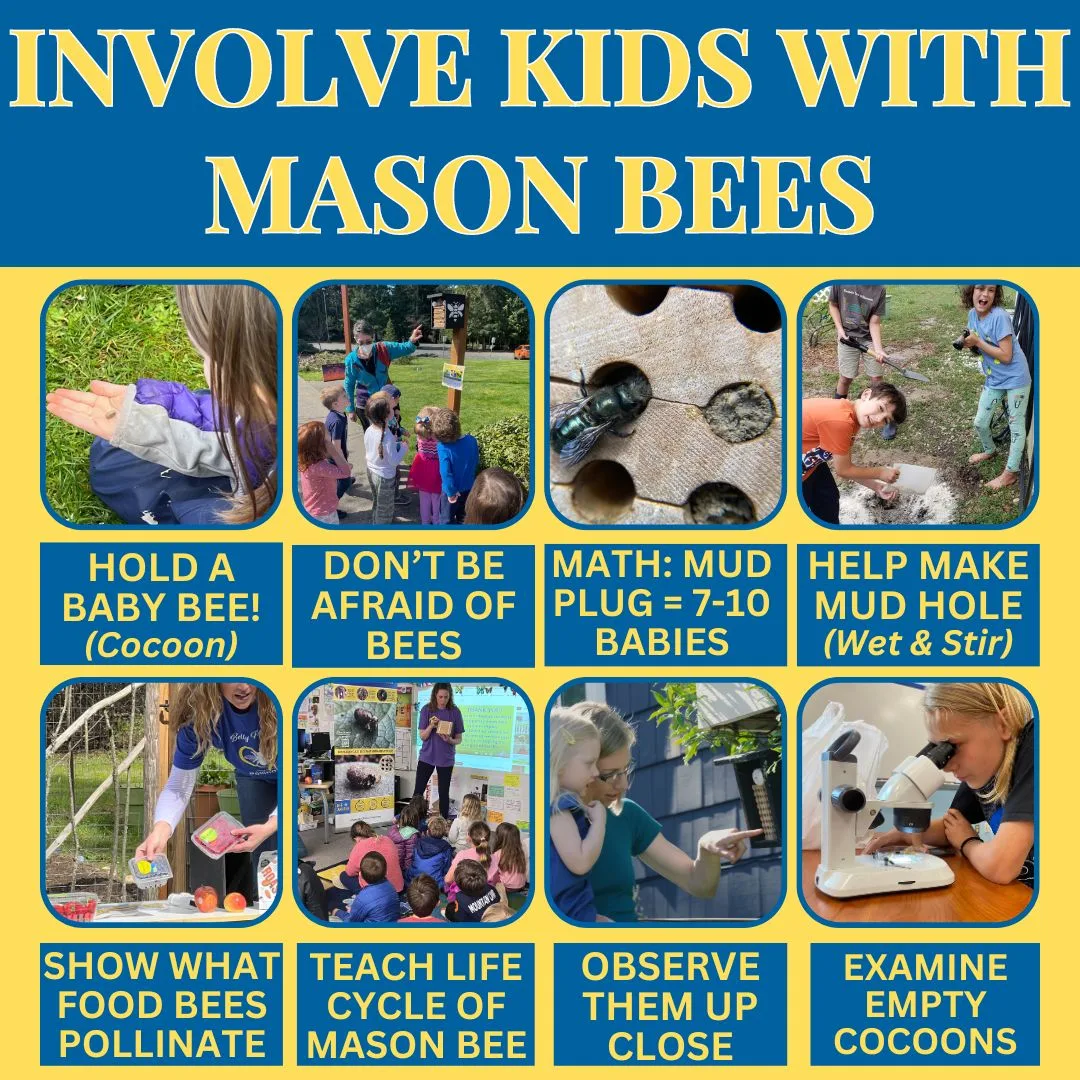
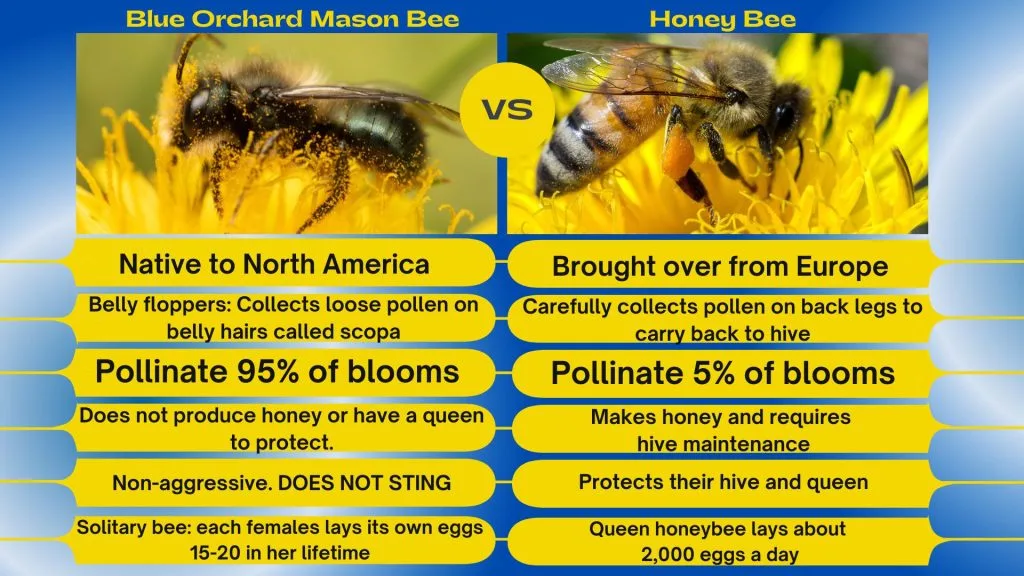
Mason Bees are amazing pollinators and kids love to watch these friendly non-stinging bees work. Help your kids become Backyard Scientists and teach them how to explore their yards and gardens. Help them not be afraid of bees and have them learn the difference between honey bees & mason bees, learn how pollinators make their food and teach them about their ecosystem and how to care for ALL pollinators.
Click here to visit our Learning Portal on our website that is full of free printable workbooks and worksheets, videos and more – Teach Kids About Mason Bees & How They Make Our Food – Rent Mason Bees
How to Involve Kids with Mason Bees:
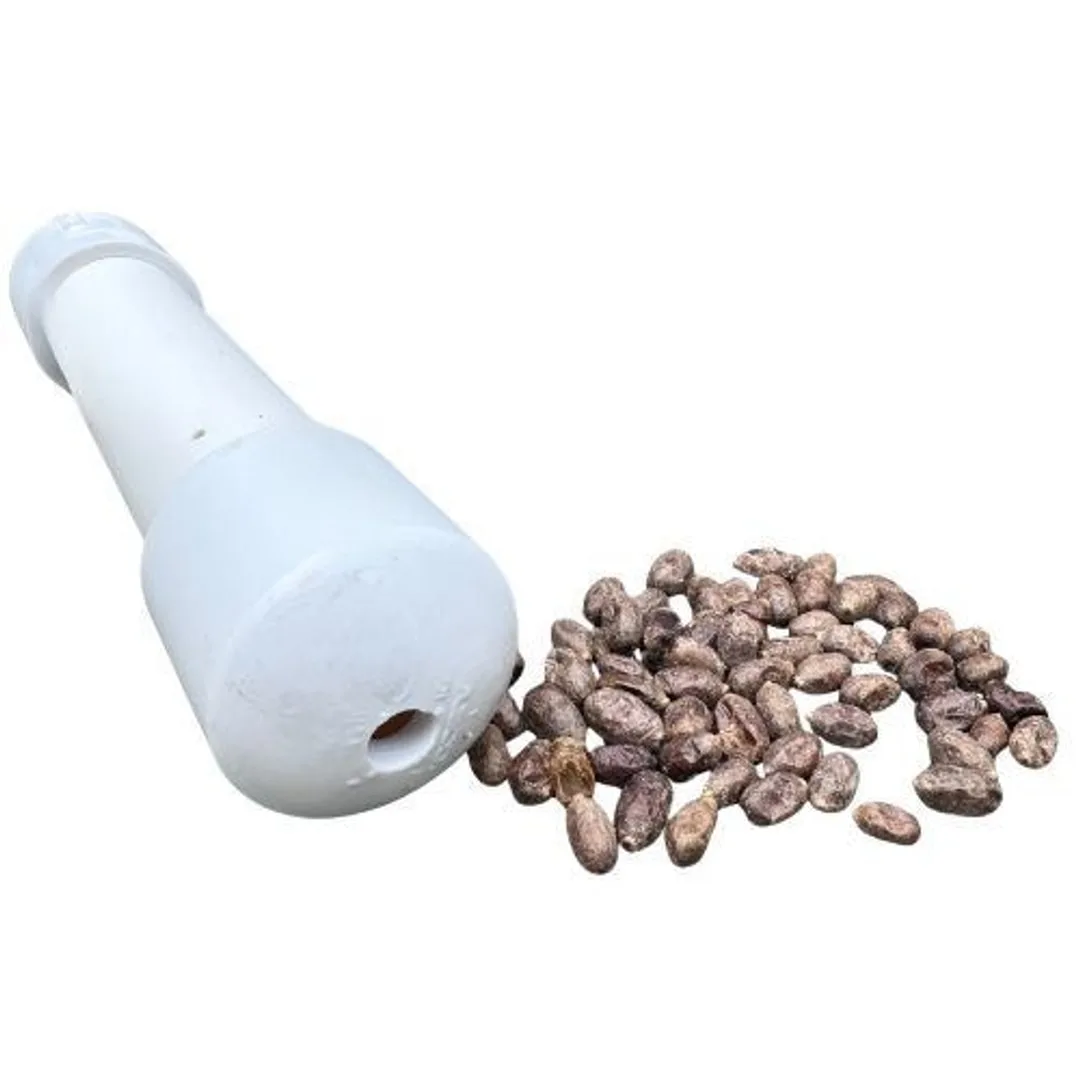
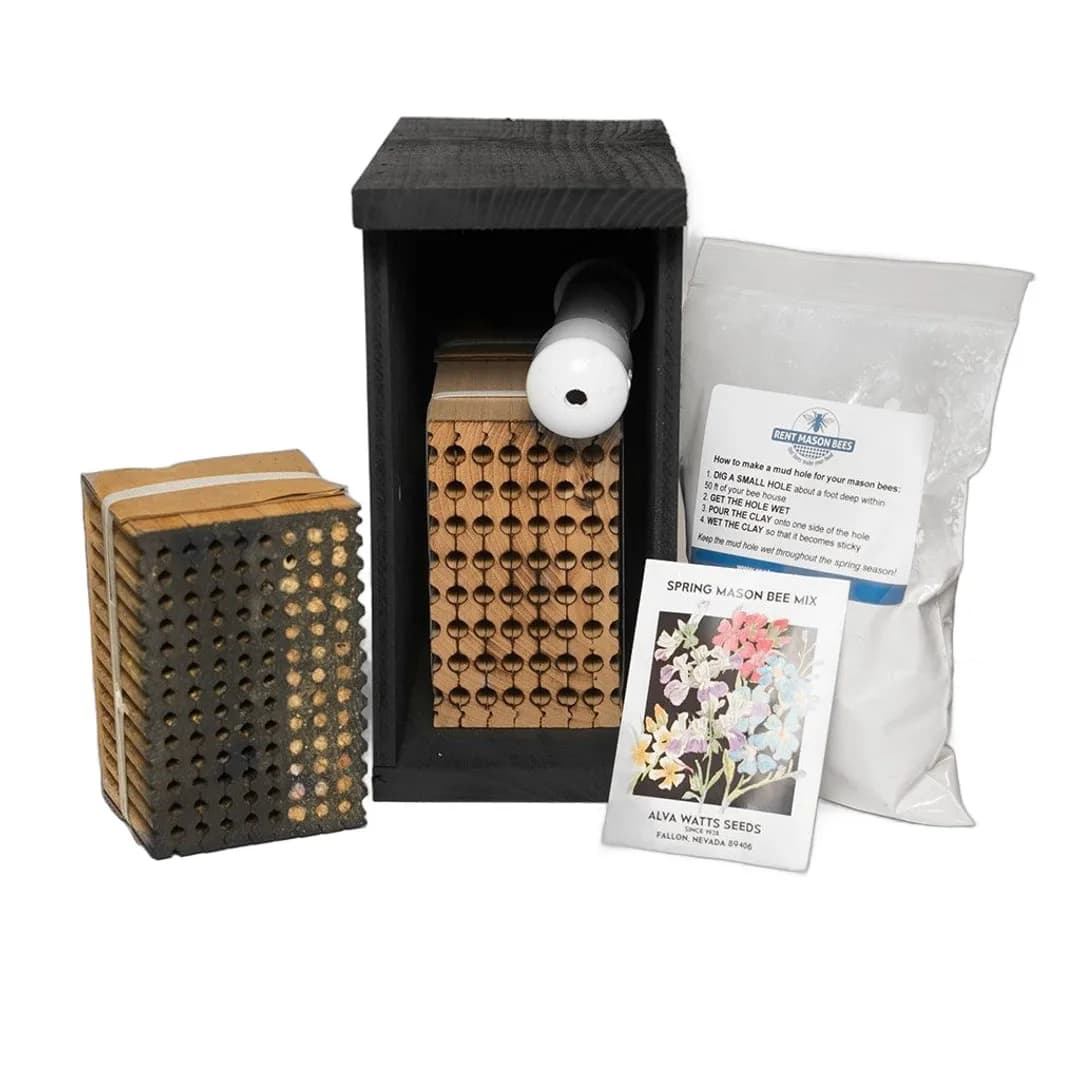
- Hold a Baby Bee – Elementary kids and high school kids enjoy holding “baby bees”. When you get your bee kit, it will come with 50+ mason bee cocoons. Sometimes bees emerge in transit, so you’ll want to open your tube outside to check. It’s easy if you get a piece of paper to dump a few of the cocoons on. If any emerged, that’s ok. You’ll slide everything back into the tube and they’ll emerge through the hole. Depending on if you’re doing this at home or in a school you can pass around cocoons for the kids to hold. While holding the bees, you can show them this video on how they emerge:
- Don’T Be Afraid of Bees – The word BEE may scare some kids because of their fear of getting stung. Since mason bees are solitary bees and don’t have a hive or queen to protect they won’t swarm or attack and are very docile little bees. You can teach kids about the different bees in the garden. Have them close their eyes… can they hear the deep rumbling purr of the bumble bee. Can they spot any honeybees? How about a mason bee covered in pollen. Connect the kids to your garden and watch the bees busily bounce from one flower to another.
- Kids love this video – “Tribute to Mason Bees” –
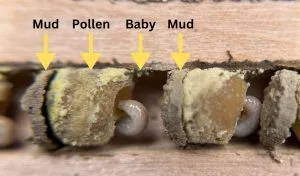
- Math: Count the Mud Plugs – Mud, Pollen, Baby, Mud… Mud, Pollen, Baby, Mud… sing a little made-up song. We do this in elementary schools and the kids love to say it with you. Teach them how mason bees build a nesting cell. Then, you can count the mud plugs on the block. How many mud plugs do you count? Behind each mud plug are about 8 babies. Then, you can multiply the mud plugs with how many babies.
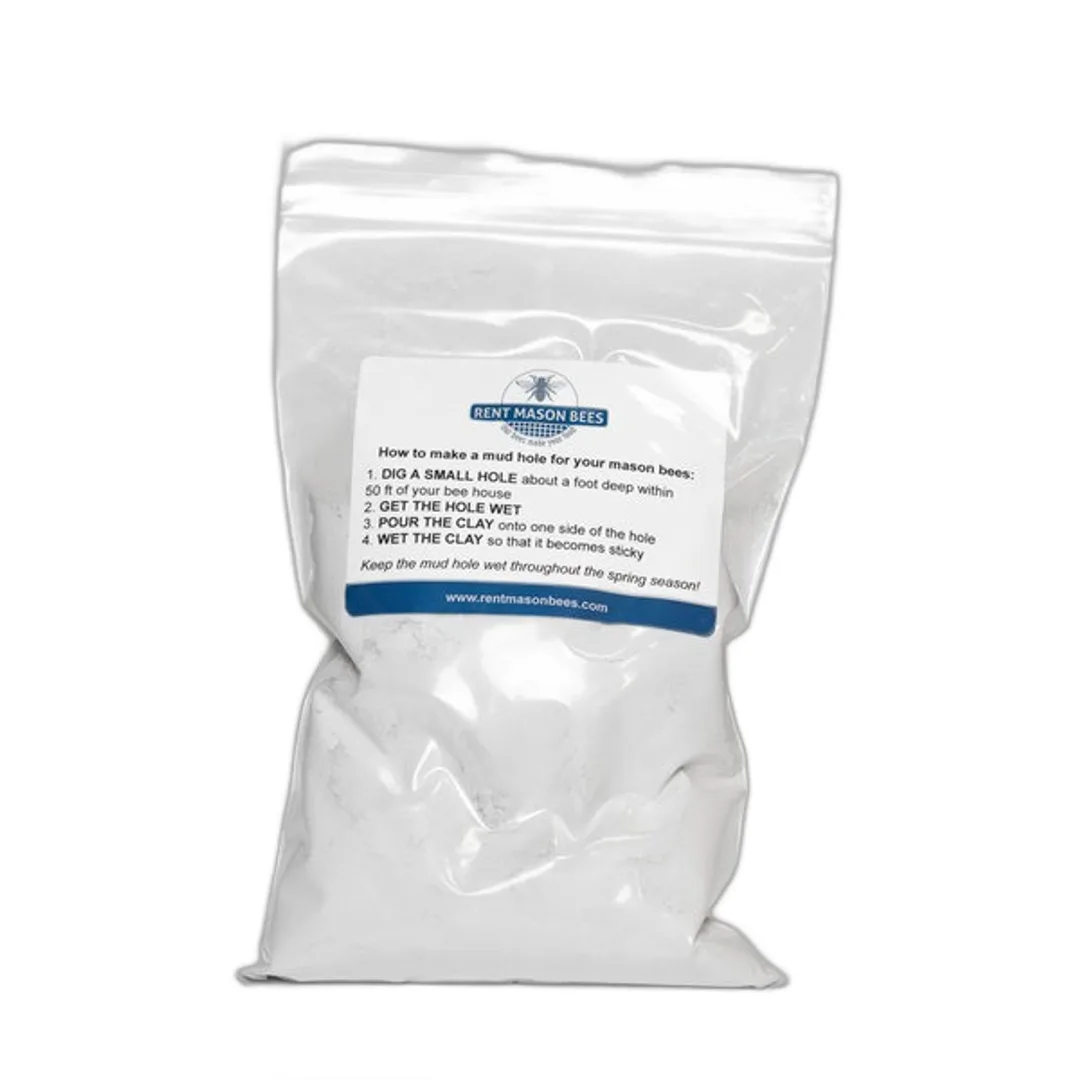
- Help Make a Mud Hole – Kids love to help make the mud hole. Then, throughout Spring the mud needs to remain damp, so you can have the kids water with a watering can and stir with a stick. Watch this video to learn how to make a mud hole:
- Show What Food Bees Pollinate – Did you know that 1 out of every 3 bites of food we eat exists because of animal pollinators like bees, butterflies and moths, birds and bats and beetles and other insects. Bring into class strawberries, blueberries, cherries, apples, pears, etc and then bring in a bag of almonds. Ask the students which item up here is not pollinated by a bee and suggest they go home and ask their parents “Are Almonds a Nut or a Fruit?” Answer: A Fruit. Then, show the kids this video and what a baby almond looks like. (Note: If you don’t want to show the whole video of almond fields/trees… the baby almond portion is at the 3:00 minute mark) https://youtu.be/_rDYF2jjeFo?si=_Us3dCgfUnSBsh80
- Teach Life Cycle of a Mason Bee – Mason bees are like butterflies and spin a silk cocoon. There are two different videos you can show during this portion.
- Life Cycle of a Mason Bee – Using macro lens we show how mason bees develop and then we show the creepy crawly predators that harm mason bees if they are not cleaned every fall. https://youtu.be/7JLquOZdtwU?si=PNKhw556IVcPrvKA
- Inside a Mason Bee Nesting Block – https://youtu.be/f_9WN4k4_Cc?si=VJg7oxmq8fMPfH_5
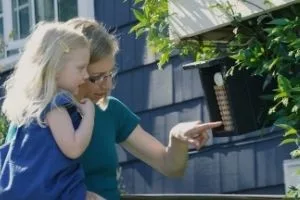
- Observe Them Up Close – Mason bees don’t swarm or sting and are fun to watch. You can stand right next to their nesting block and watch them fly into the holes. Can you see any carrying mud? Do you see any covered in yellow pollen?
- Examine Empty Cocoons – After all your mason bees have emerge, you can take the content from the white PVC tube and dump out onto a piece of paper. Empty cocoons can be examined under a microscope and kids can squish them and feel how hardy they are and the crunchy noise they make like rice crispies. Are there any cocoons that didn’t emerge? Watch this video to learn how you can snip the tips of the cocoons to see if there is a bee inside and you can help it. If you find any that did not make it, you can examine it under the microscope.
- Difference Between a Honey Bee and a Mason Bee