Blog · Video · Mason Bees · Bee Care ·
<b>VIDEO:</b> <b>Mason Bee Fall Harvest: What to Do With Harvest Debris & Predators</b><br><br><br>

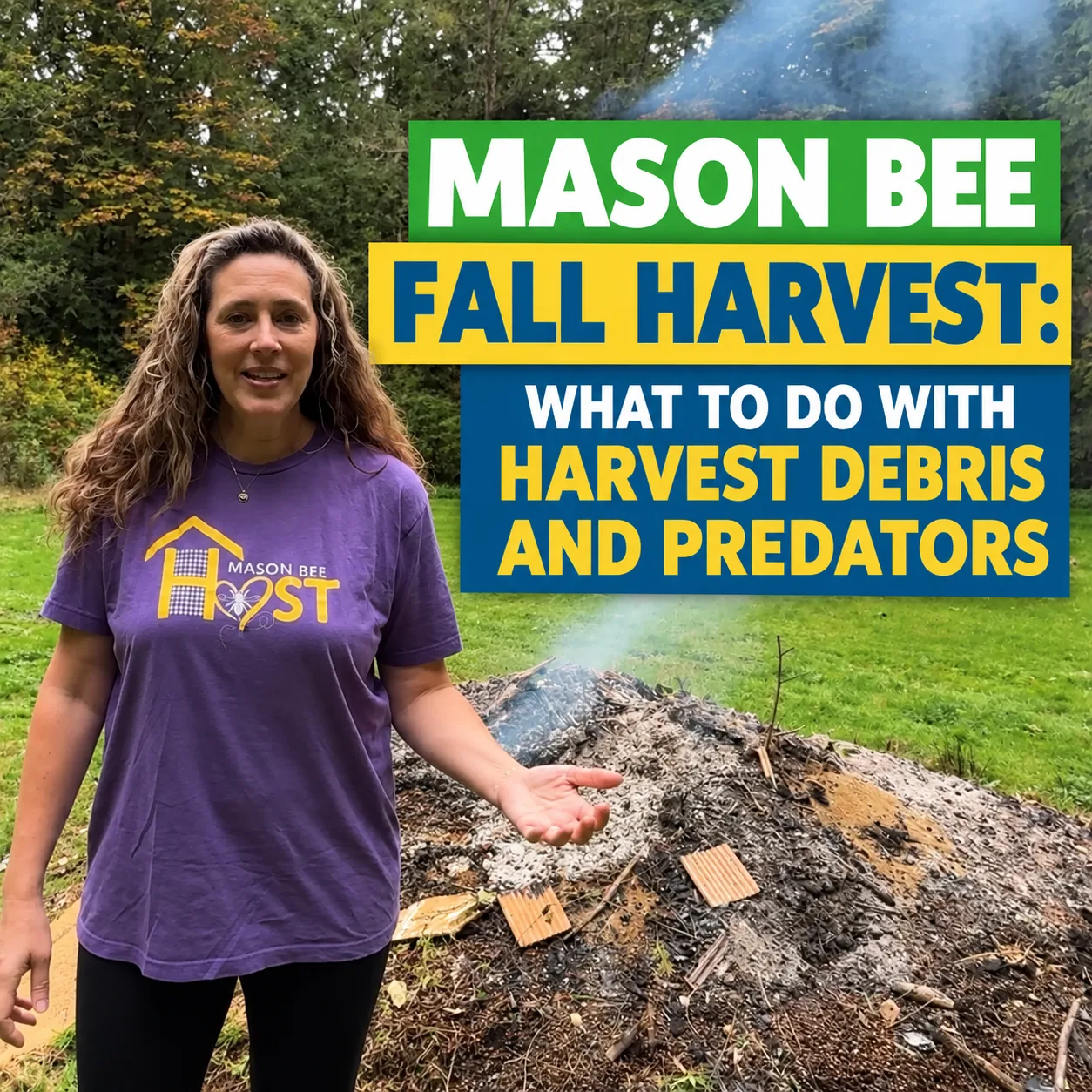
You've harvested, washed, and cleaned your mason bee cocoons. Great job! But what should you do with all the debris left behind?
During our annual fall harvest at Rent Mason Bees, we open thousands of nesting blocks and clean more than 3 million mason bee cocoons. Along the way, we uncover pollen mites, Houdini flies, chalkbrood, mud, and other debris hidden inside the nesting chambers.
What you do with that debris matters!
Your nesting materials may contain more than just healthy mason bee cocoons. When you open the nesting chambers, you may discover:
- Pollen mites: Tiny parasites that consume the pollen meant for developing mason bee larvae.
- Houdini flies: Invasive flies whose larvae feed on pollen provisions, often causing mason bee larvae to starve.
- Chalkbrood: A fungal disease that can leave behind spores capable of infecting future generations.
- Mud and nesting debris: Material that may contain parasites, fungal spores, and other contaminants.
Even after you've removed and cleaned your healthy cocoons, some of these threats may remain in the leftover debris.
Don't Put Harvest Debris in Your Yard Waste!
One of the most important steps in fall mason bee care is properly disposing of contaminated nesting debris.
Do not put it in your yard waste bin or compost pile.
Some parasites and disease organisms may survive and spread.
At Rent Mason Bees, we destroy our contaminated harvest debris by burning it in a controlled setting where permitted. This helps eliminate predators and pathogens that could otherwise threaten future generations of mason bees.
If you're cleaning your own mason bees at home, follow local fire regulations. Where burning isn't permitted, securely bag contaminated debris and follow your local waste disposal guidelines.
Give Next Year's Mason Bees a Healthy Start!
Fall harvest isn't just about collecting cocoons. It's about protecting the next generation of mason bees!
By opening your nesting materials, removing predators, cleaning your cocoons, and properly disposing of contaminated debris, you're
helping reduce the threats your bees may face next spring.
Great job taking the time to care for your bees!
Every step you take helps give the next generation a healthier start.
Watch the Video: What to Do With Harvest Debris & Predators
Join us behind the scenes at Rent Mason Bees as we show you what happens to the leftover debris from our annual mason bee fall harvest and explain why proper disposal is so important.
Want to learn more about mason bee care?
Visit Rent Mason Bees for educational videos, tips on identifying predators, and step-by-step instructions for harvesting, washing, and storing your mason bee cocoons over winter.
We Clean
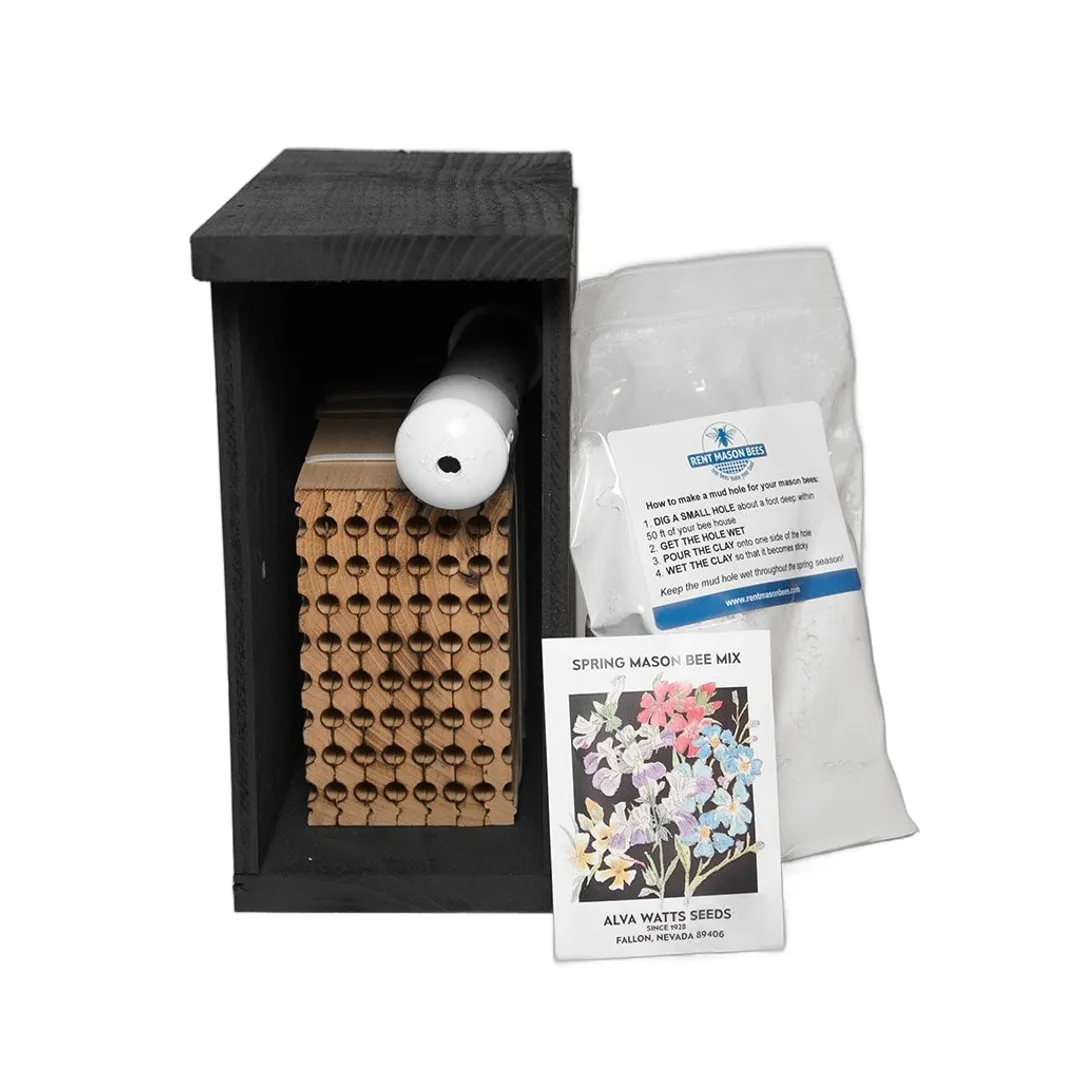
Mason Bee Starter Kit
Includes 50+ Mason Bee Cocoons
$85